Introducing the "Biomechanics and Sports Science" Laboratory
The Laboratory for Biomechanics and Sports Science is one of the research laboratories at the Institute of Medical Technology at the East Bavarian University of Applied Sciences Amberg-Weiden. It brings together research, teaching, and industry in the field of medical technology. Research areas include gait and running analysis, spiro(ergo)metry, endoprosthetics, force measurements, and numerical simulation with a focus on multi-body simulation and the finite element method.
In partnership with HOHPE GmbH, we offer performance testing for amateur and professional athletes, among others. For more information, please visit the following link:
PERFORMANCE DIAGNOSTICS
Teaching & Research
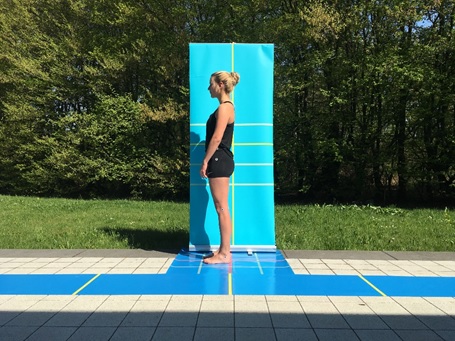
Gait and Posture Analysis
The Laboratory for Biomechanics and Sports Sciences is equipped with a marker-based 3D gait analysis system from Vicon (Yarnton, Oxford, UK). With a sampling rate of up to 2 MHz, 18 high-speed cameras capture the position data of body segments with an accuracy of less than 1 mm. In addition, two synchronized video reference cameras are used for 3D registration of the motion data.
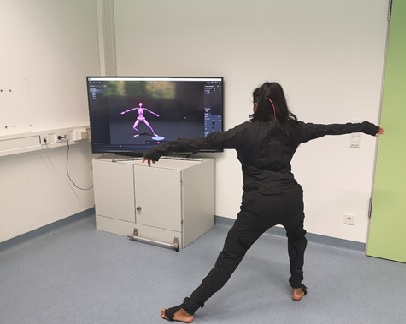
The Smartsuit Pro (Rokoko, Copenhagen, Denmark) offers a mobile solution for gait analysis. Its 19 built-in inertial sensors (Inertial Measurement Units – IMUs) measure the body’s motion data.
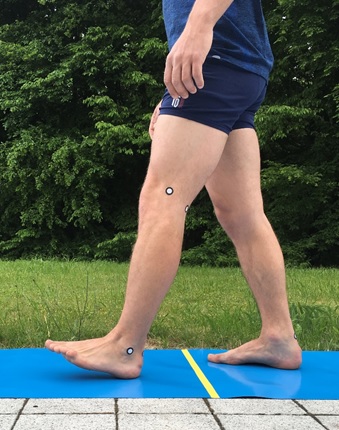
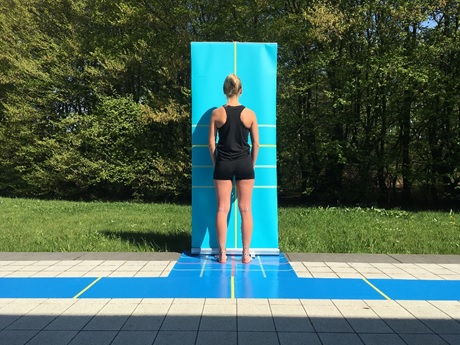
Alternatively, gait and posture analyses can be performed almost anywhere using the EIDOO mobile 2D recording system. The 2D analysis is primarily used for routine gait assessments. In these cases, the measurement accuracy is sufficient to detect simple gait abnormalities, such as walking on tiptoes in children.
Treadmill
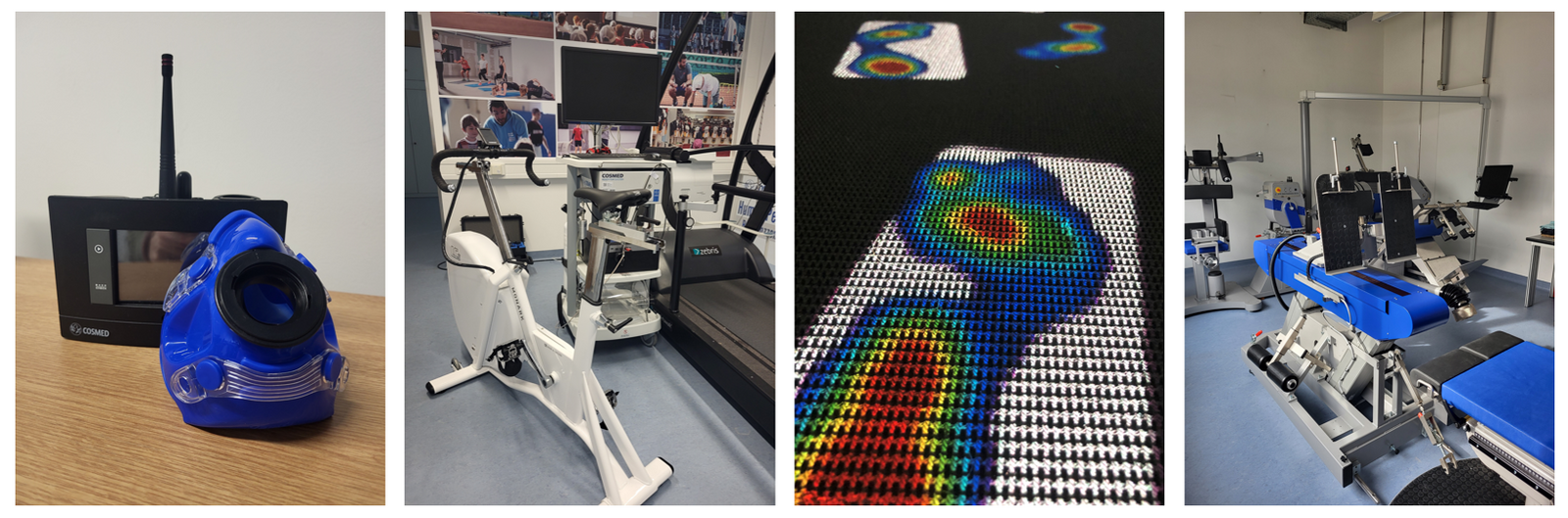
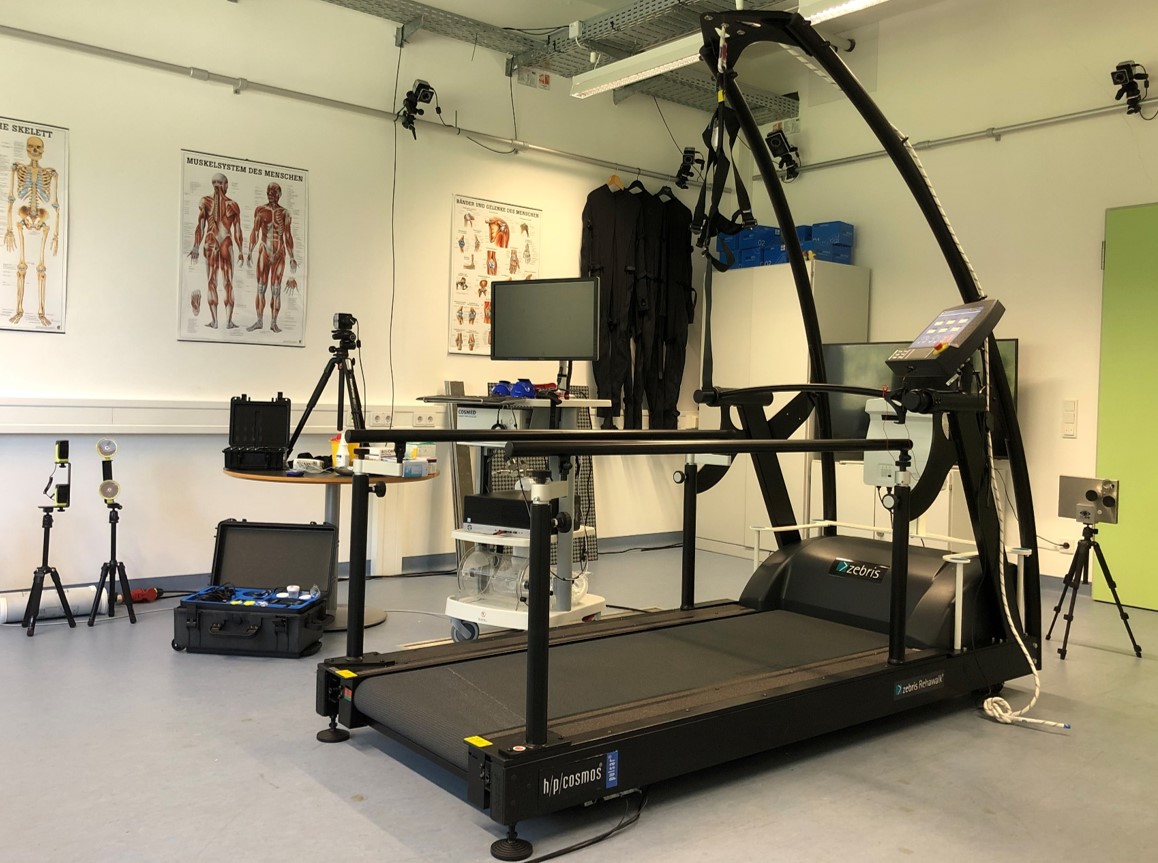
The Laboratory for Biomechanics and Sports Science has an approximately 18-meter-long test track available for gait and running analyses. Depending on the experimental setup, the h/p/cosmos pulsar 3P med treadmill (zebris Medical GmbH, Isny, Germany & h/p/cosmos sports & medical GmbH, Nußdorf, Germany) can also be used for gait and running analyses. To ensure safe use in performance diagnostics and for patients, the medical treadmill is equipped with a safety bar, a fall-stop system with a chest strap, and two side handrails.
Technical specifications of the treadmill:
- Running surface: 190 cm x 65 cm
- Speed: 0–40 km/h
- Incline: +/-25%
- With direction reversal
Built-in pressure sensor
Visual Gait Guidance
The treadmill in the Laboratory of Biomechanics and Sports Sciences is equipped with a visual gait guidance system. This system is primarily used in neurological, orthopedic, and geriatric rehabilitation. The subject’s or patient’s gait pattern is automatically recorded. This gait pattern is adjusted according to specific targets (e.g., stride length, step width, and foot angle). The gait pattern is projected onto the treadmill, and the subject. The gait pattern is projected onto the treadmill, and the subject tries to follow it. This can help correct gait abnormalities and improve gait symmetry.
Pedobarography
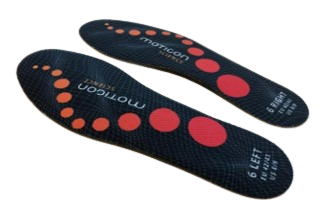
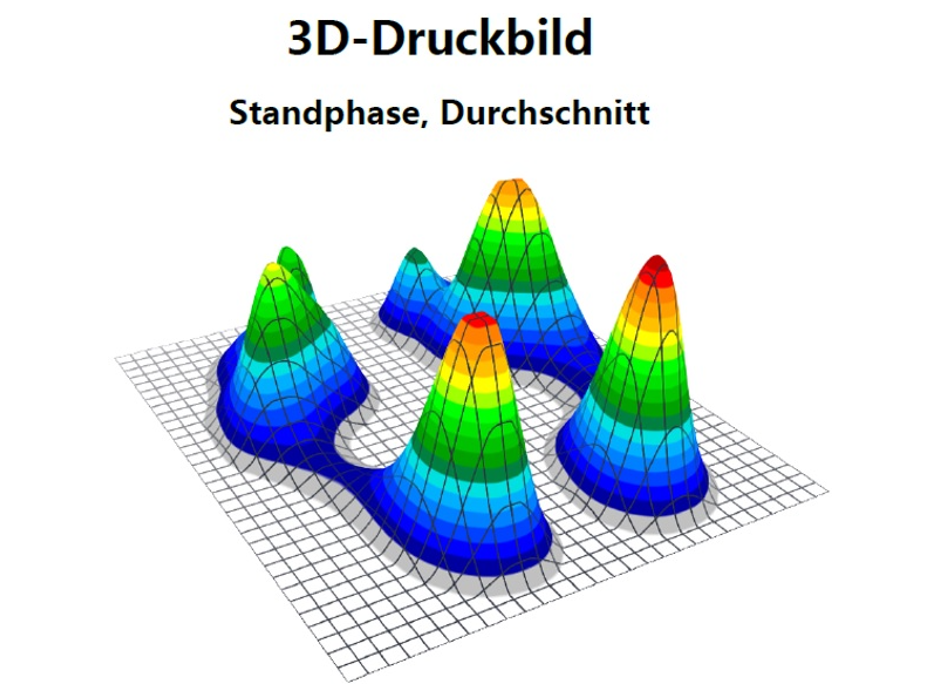
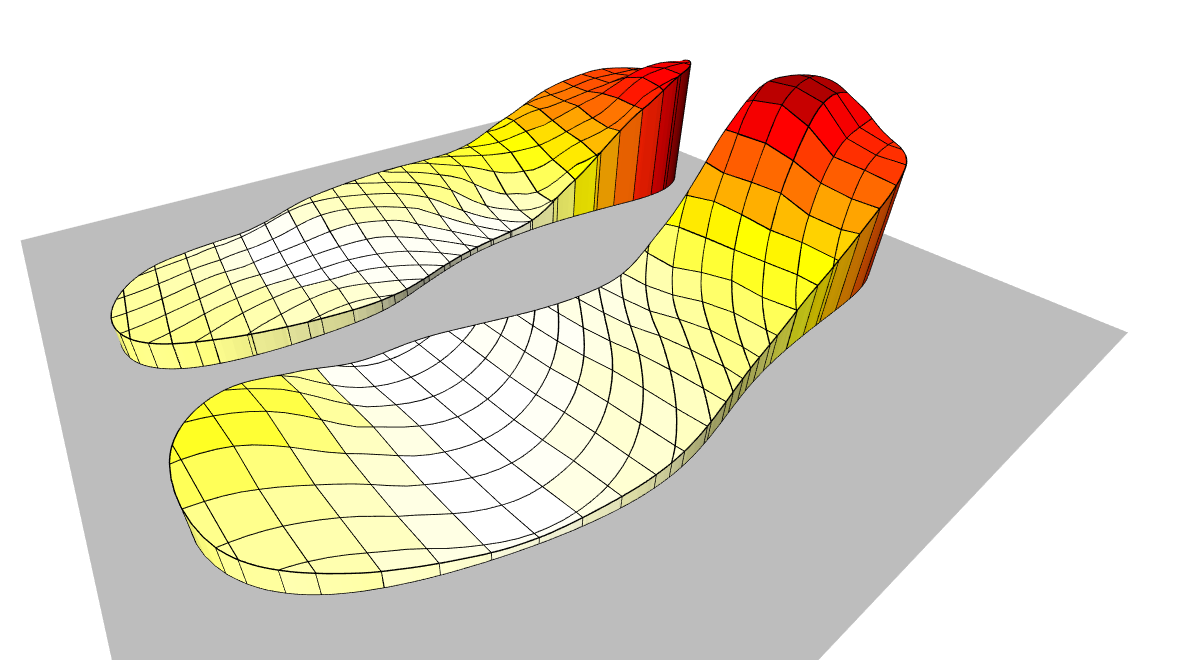
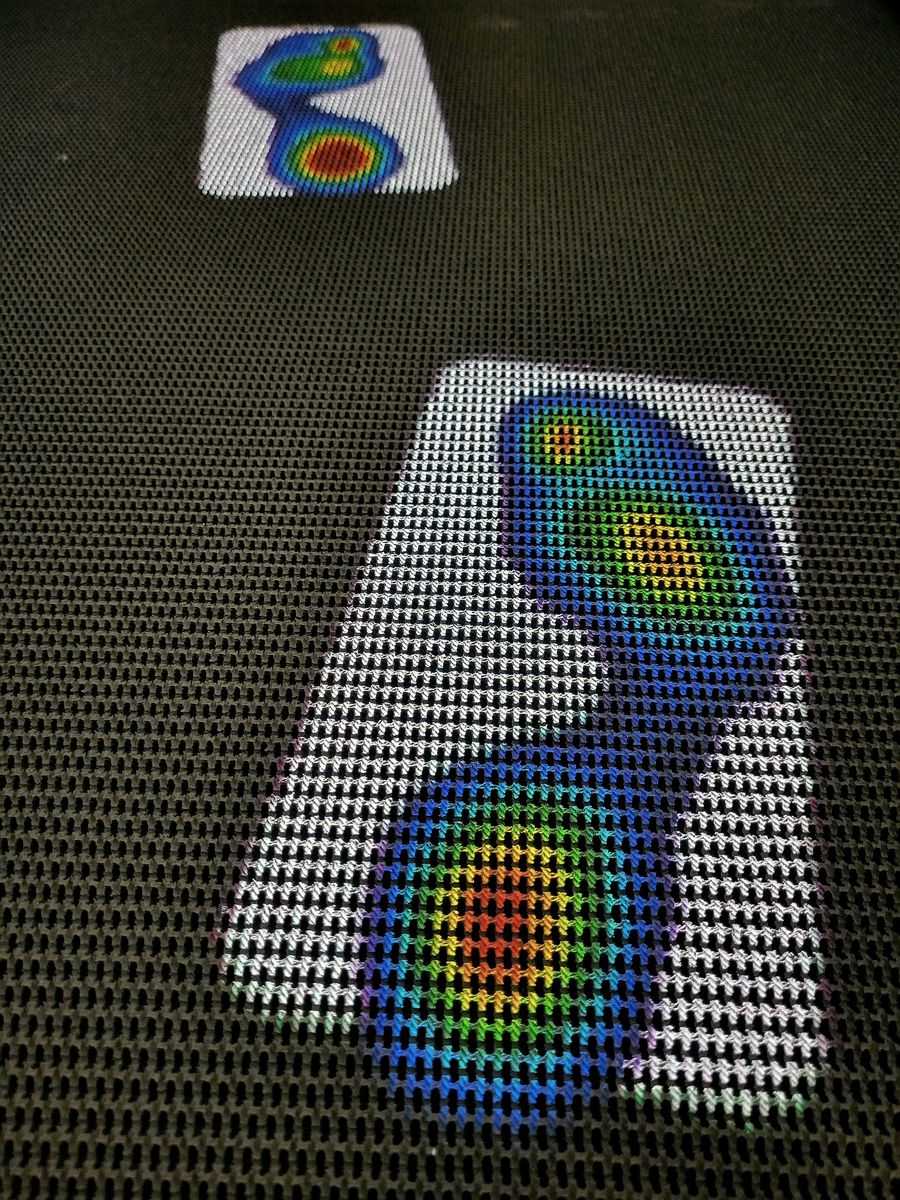
Pedobarography refers to the static or dynamic analysis of pressure distribution on the sole of the foot during various activities of daily living. The Laboratory of Biomechanics and Sports Sciences offers two different instrumental methods. First, pressure sensors with a sensing area of 162.6 cm x 54.2 cm (12,288 sensors & sampling rate: 100 Hz) are integrated into the treadmill deck. In addition, OpenGo sensor insoles (Moticon ReGo AG, Munich, Germany) in sizes 36–47 are used to measure pressure distribution inside the shoe.
Force plates
Force plates are used to determine the kinetics of the human body. In biomechanics, they are used, among other things, to measure ground reaction forces when the foot strikes the ground during walking and to perform jump analyses. The Laboratory of Biomechanics and Sports Sciences is equipped with two force plates from Bertec (Columbus, Ohio, USA) and two portable force plates (Kistler Instruments AG, Winterthur, Switzerland) with a surface area of 60 cm x 60 cm. The results of gait analysis and kinetics are used, for example, to plan therapeutic concepts, rehabilitation measures, or for multi-body simulation.
Segmentation
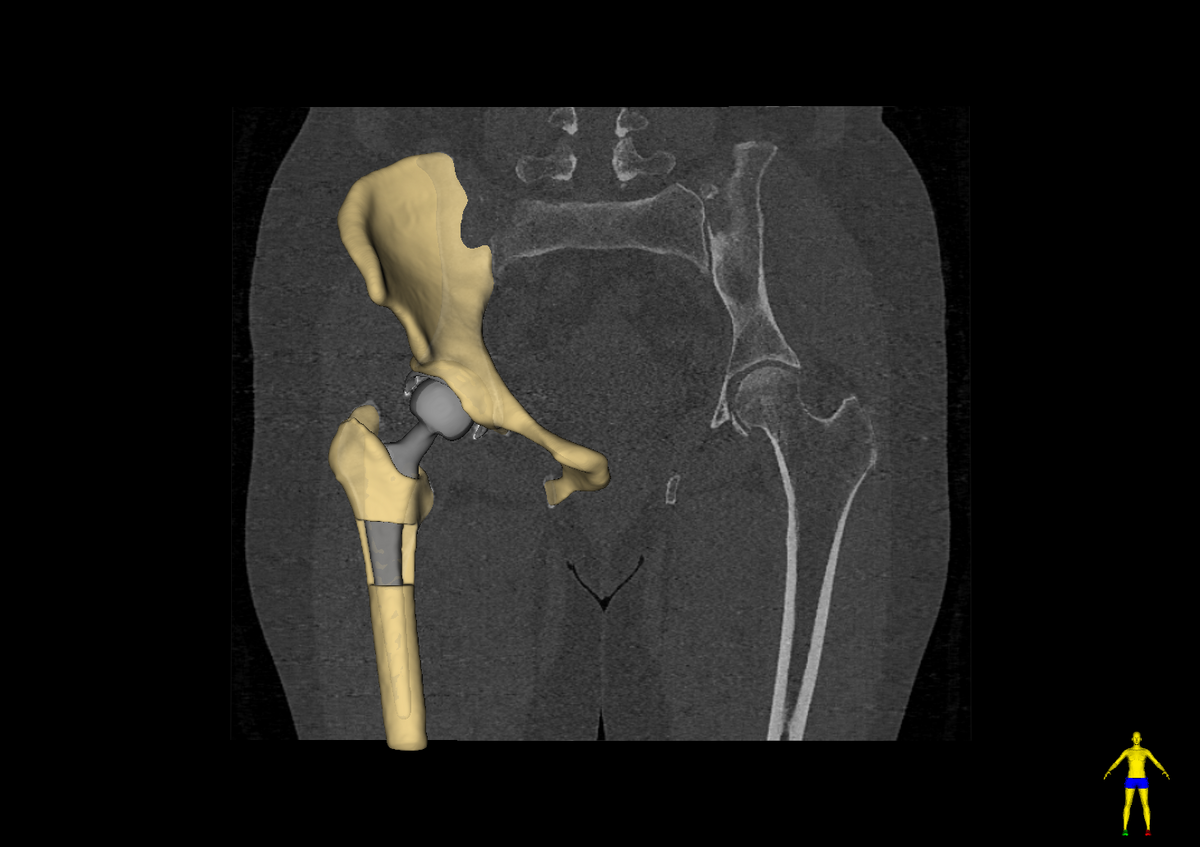
Cross-sectional imaging techniques such as computed tomography (CT) and magnetic resonance imaging (MRI) are frequently used in medicine for diagnosis and surgical planning. These images can be used to develop 3D models of anatomical structures. For example, complex bone fractures can be visualized. In addition, length measurements using this planning software—such as femoral offset—facilitate the planning of hip replacement surgery. Depending on the research question, the segmented structures—such as bones or muscles—can be reused for multi-body simulations or the finite element method, or 3D-printed for visualization.
Numerical Simulation: Finite Element Method
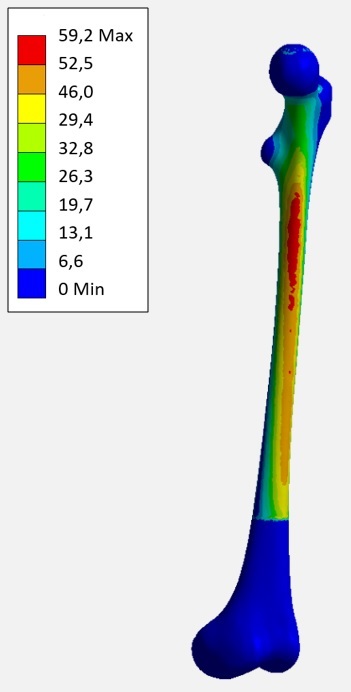
The finite element method (FEM) is a technique used in structural mechanics to analyze stresses and strains in bones or implants in response to applied forces. At OTH Amberg-Weiden, the simulation software ANSYS Workbench and Discovery (Canonsburg, Pennsylvania, USA) is used.
Numerical Simulation: Multibody Simulation
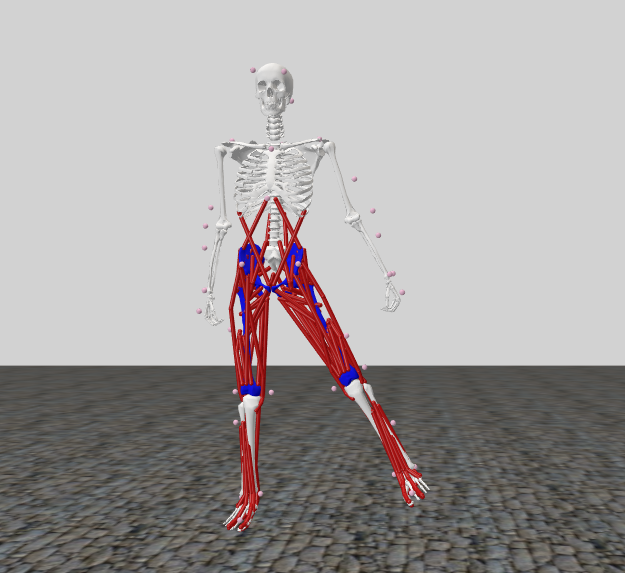
Multibody simulation is used to calculate joint reaction forces and muscle forces in the body. A multi-body simulation model typically consists of bones, joints, and muscles. If kinematic data (e.g., via motion capture) and kinetic data (e.g., via force plates) are also incorporated, the biomechanics simulation software OpenSim (Stanford, California, USA) calculates the forces and moments that occur in the muscles and joints during movement.
Electromyography (EMG)
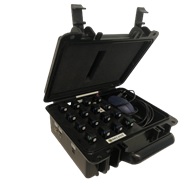
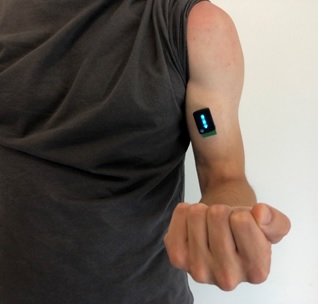
Electromyography is a technical method used to measure electrical activity during muscle contraction. In clinical practice, EMG is used to diagnose neuromuscular disorders. In biomechanics, EMG sensors are used to simultaneously record the activity of various muscles during the individual phases of gait for gait analysis. Software is used to analyze both the duration and intensity of the signals. The Laboratory of Biomechanics and Sports Sciences is equipped for this purpose with a surface EMG system featuring 2 Trigno IM and 14 Trigno Avanti sensors from DELSYS INCORPORATED (Natick, Massachusetts, USA).
Spirometry, spiroergometry, lactate measurement, and electrocardiography (ECG)
Spirometry is a procedure used to diagnose a person’s lung function. Measurable parameters such as the Tiffenau index and vital capacity are used to differentiate between obstructive (e.g., bronchial asthma) and restrictive lung diseases (e.g., pulmonary fibrosis). In addition to the stationary spirometry unit, the Laboratory of Biomechanics and Sports Sciences also has a portable spirometry device (COSMED Srl, Albano Laziale, Italy).
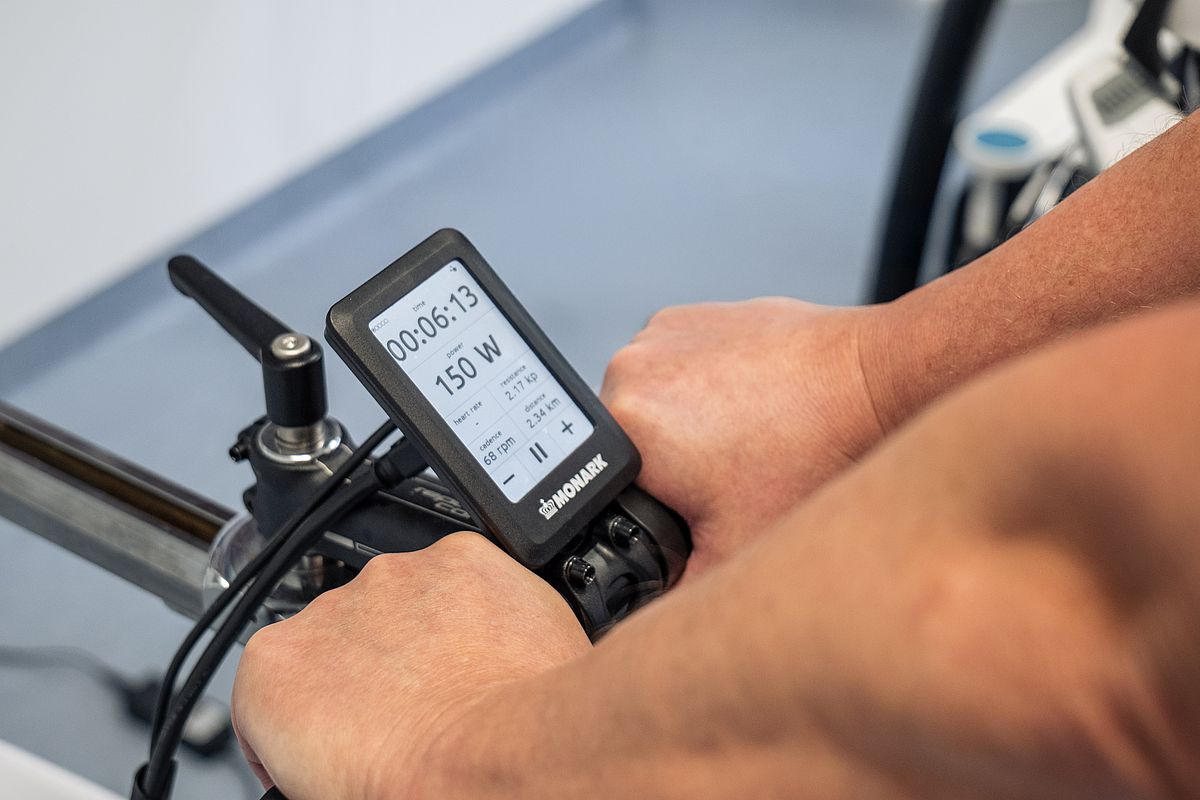
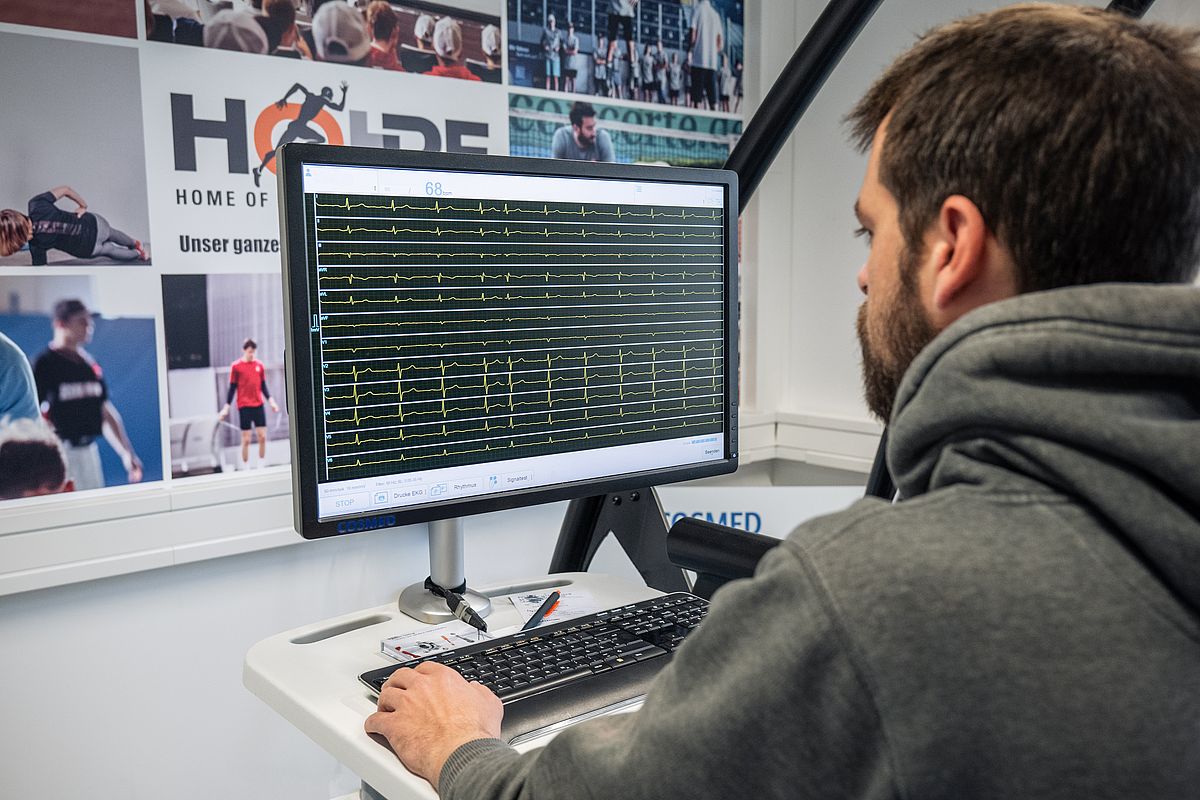
Spiroergometry is used to examine the cardiovascular system, lung function, and energy metabolism during exercise. During spiroergometry, respiratory gases are measured and the subject’s cardiac status is monitored during exercise. The Laboratory of Biomechanics and Sports Sciences is equipped with a treadmill, an ergometer bicycle, and a mobile 12-lead ECG. In performance diagnostics, lactate levels are also used to develop optimal training plans for athletes.
Isometric and Isokinetic Force Measurement
Force measurement is crucial in sports as well as in multi-body simulation. To this end, the Laboratory for Biomechanics and Sports Sciences is equipped with an IsoMed 2000 (D. & R. Ferstl GmbH, Hemau, Germany). This device is used for performance diagnostics and training in both sports and scientific applications. Training goals are set for the test subjects, and examination protocols are created.
Single-joint training sessions are designed for the knee, shoulder, ankle, trunk, and back. For multi-joint training sessions, the horizontal leg press is available. Depending on the study or training design, movements can be performed concentrically, eccentrically, or isometrically.
Impressions
Staff
Lab Director
Prof. Dr. med. habil. Christian Schmidkonz, MHBA
 @
@Lab Coordinator
M. Sc. Christopher Fleischmann
Irina Leher
So finden Sie uns
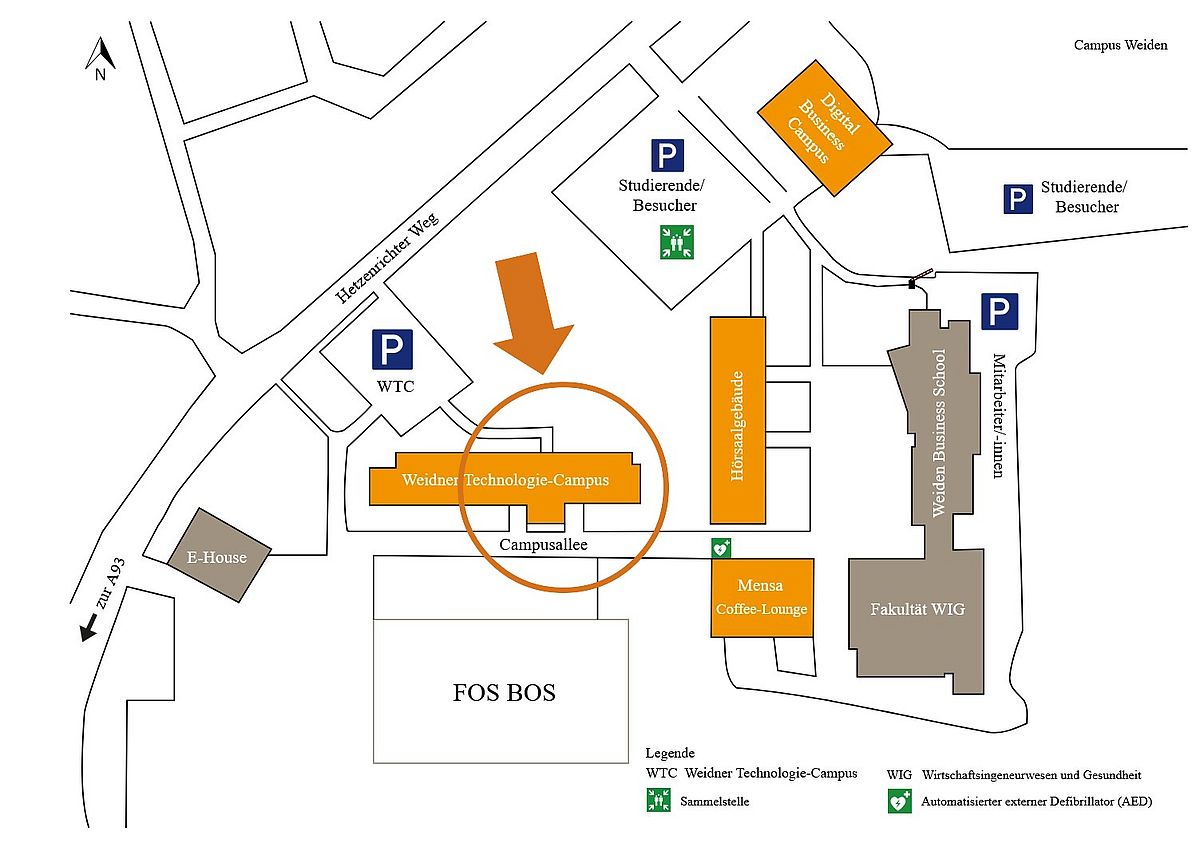
Ostbayerische Technische Hochschule (OTH) Amberg-Weiden
Department of Industrial Engineering and Health
Weidener Technologie-Campus (WTC 0.06)
Campusallee 1
92637 Weiden in der Oberpfalz