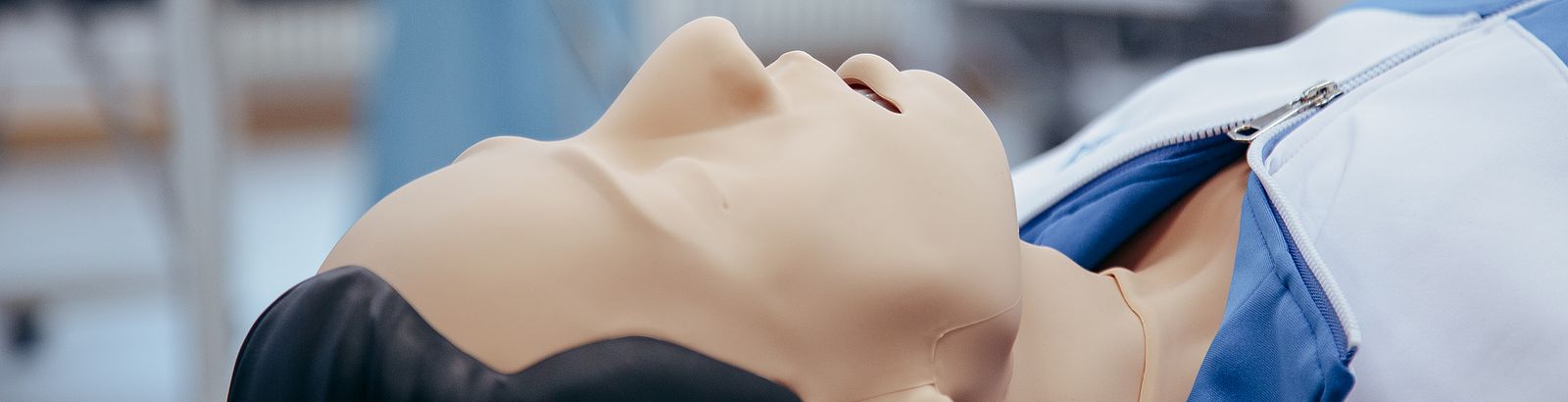
INTRODUCING THE PA SKILLS LAB
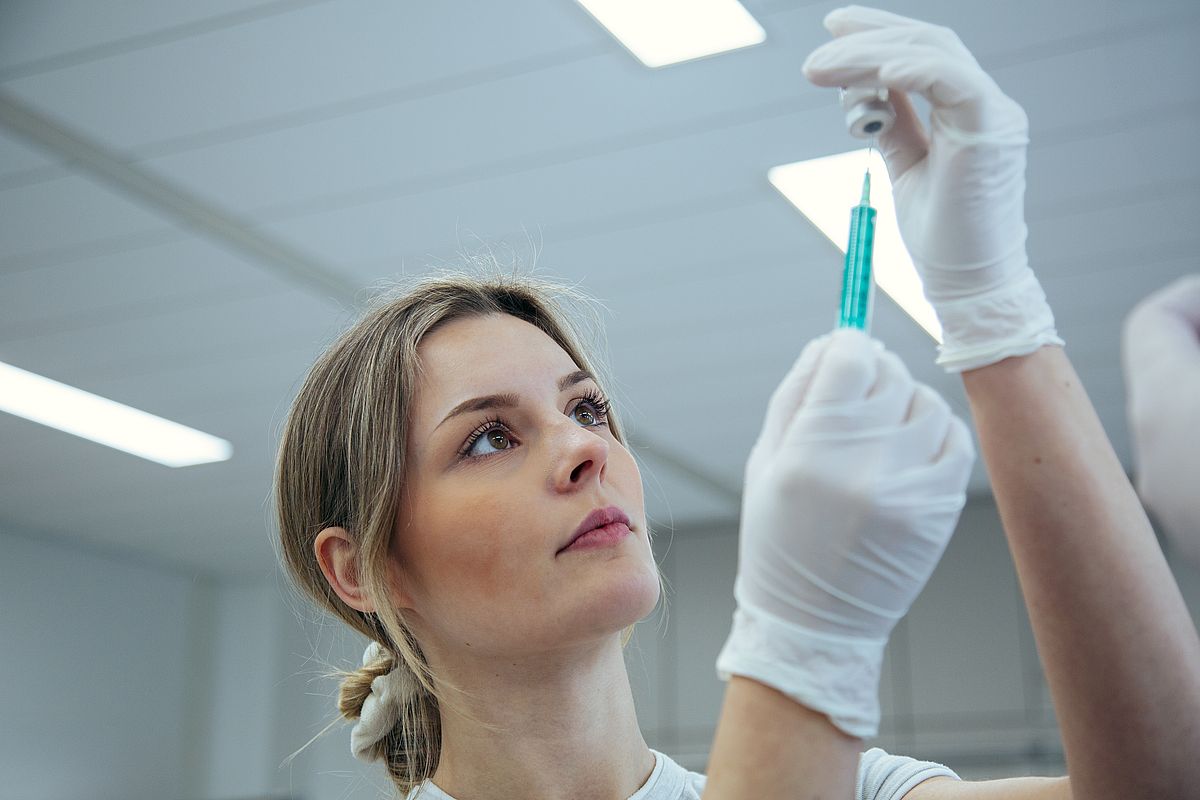
In the PA Skills Lab at the Technical University of Applied Sciences Amberg-Weiden, students in the “Physician Assistance” and „Physician Assistance for Healthcare Professionals“ programs apply what they have learned using modern skills trainers, medical equipment, and simulators. The training scenarios range from medication preparation to blood draws and ultrasound examinations to resuscitation simulations involving intubation.
Teaching & Research
Teaching
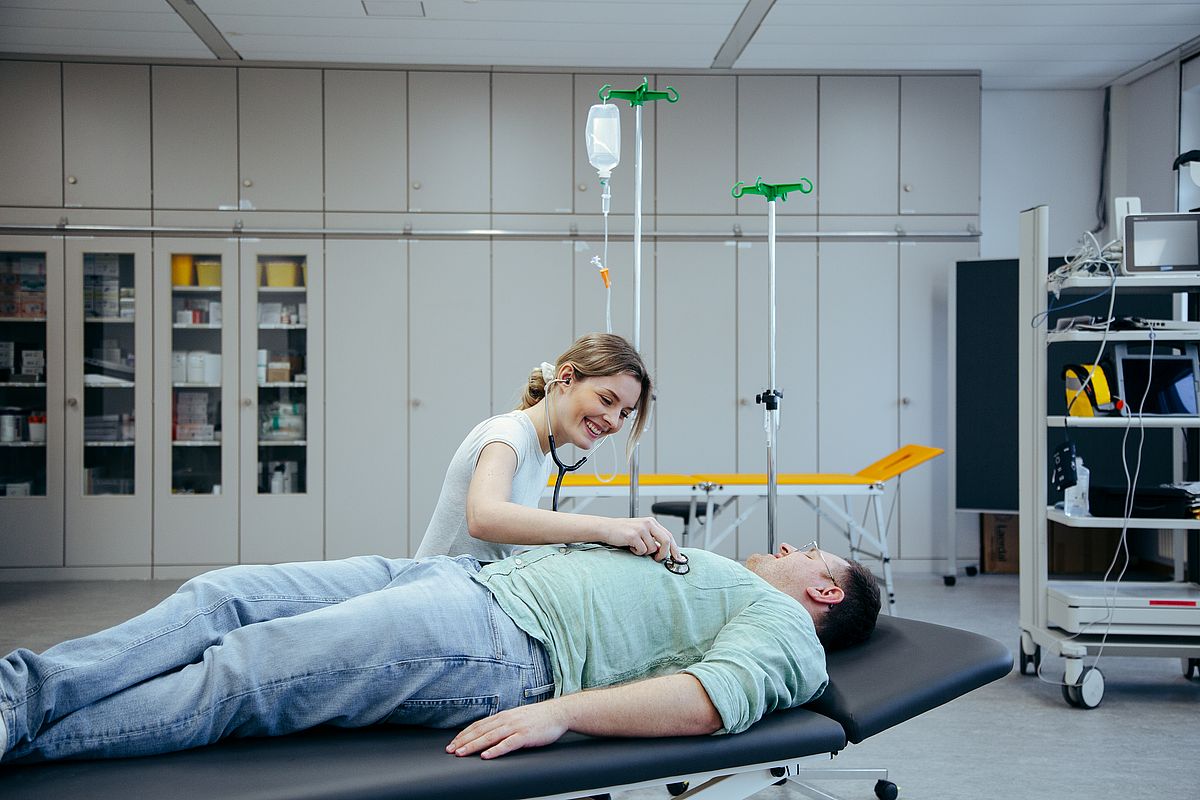
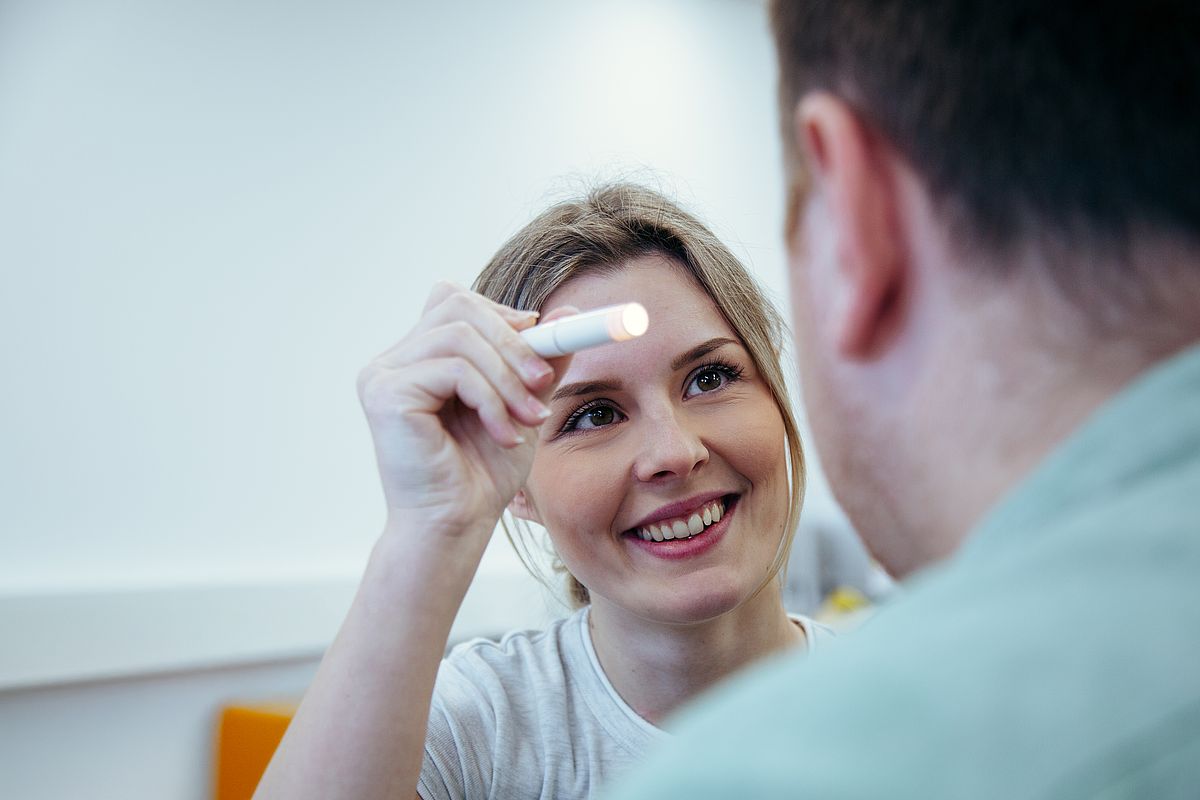
The teaching program focuses on acquiring fundamental and practical skills using skill trainers. Simulation training teaches the essential skills needed for daily work in hospitals and clinics, such as proper hand hygiene, aseptic techniques, blood collection, medication preparation, and the measurement of vital signs.
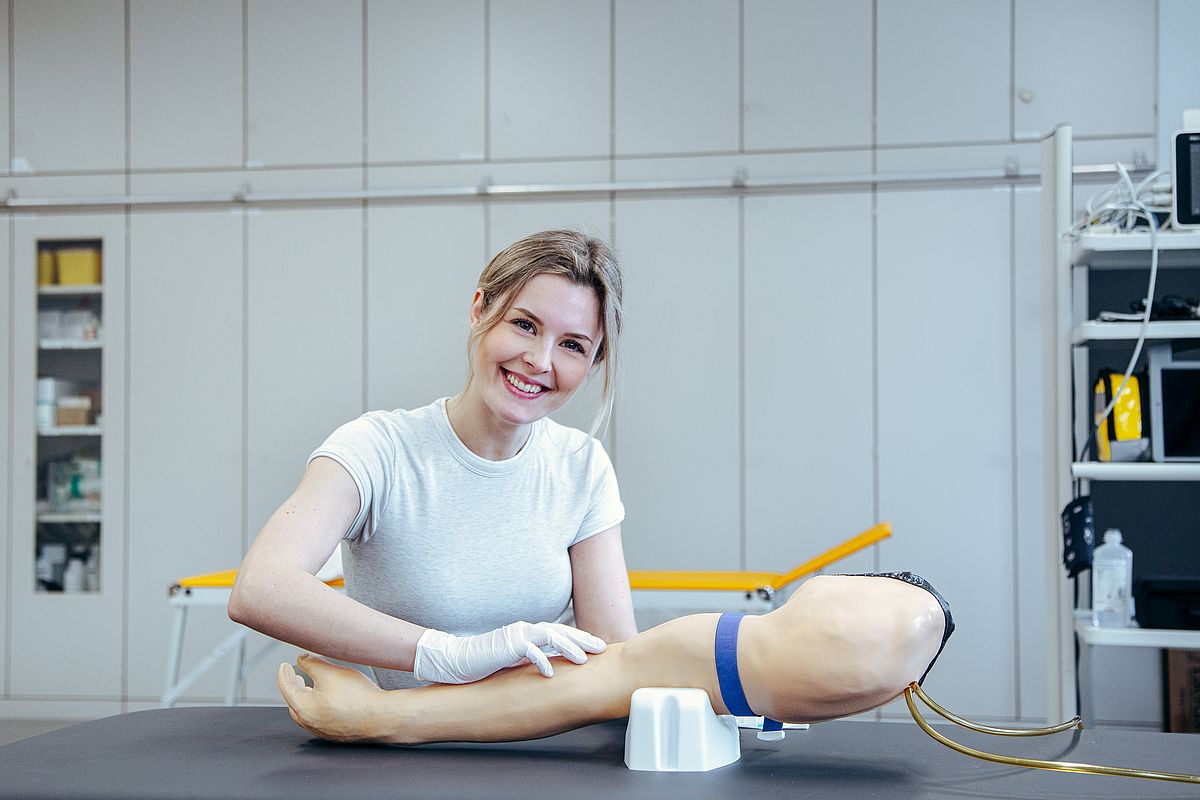
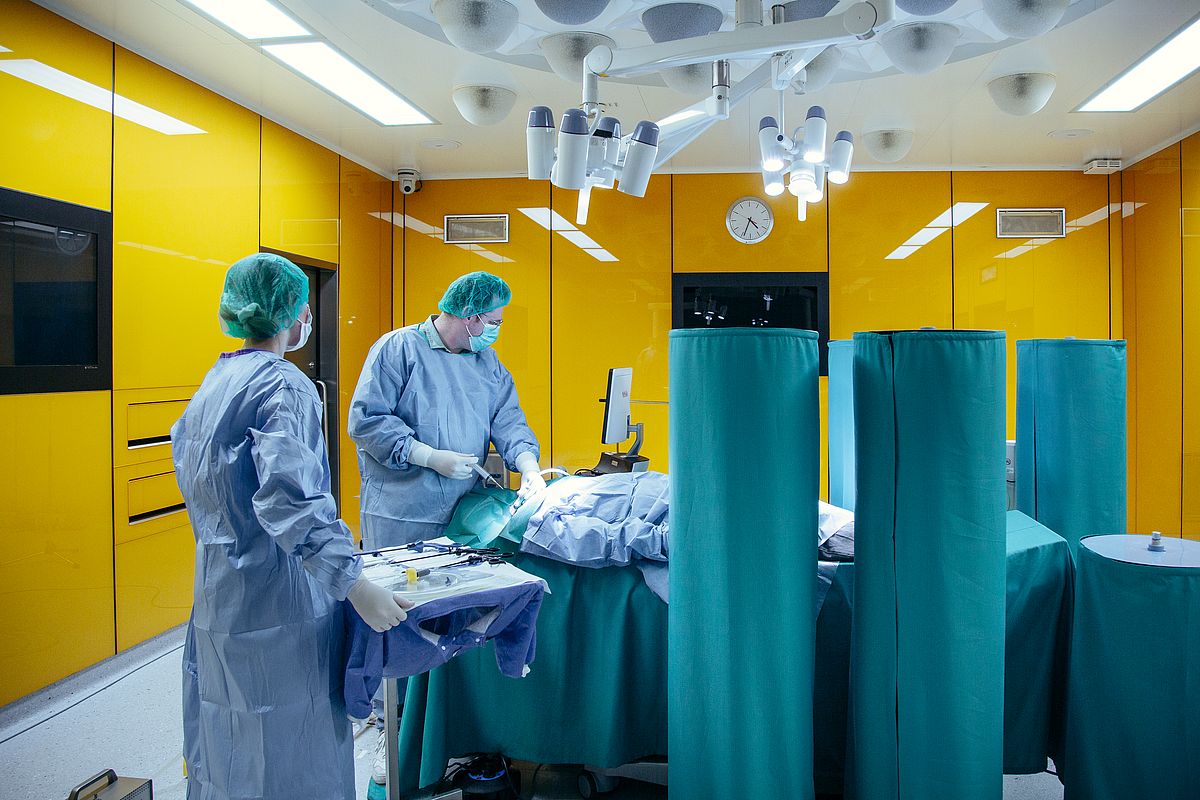
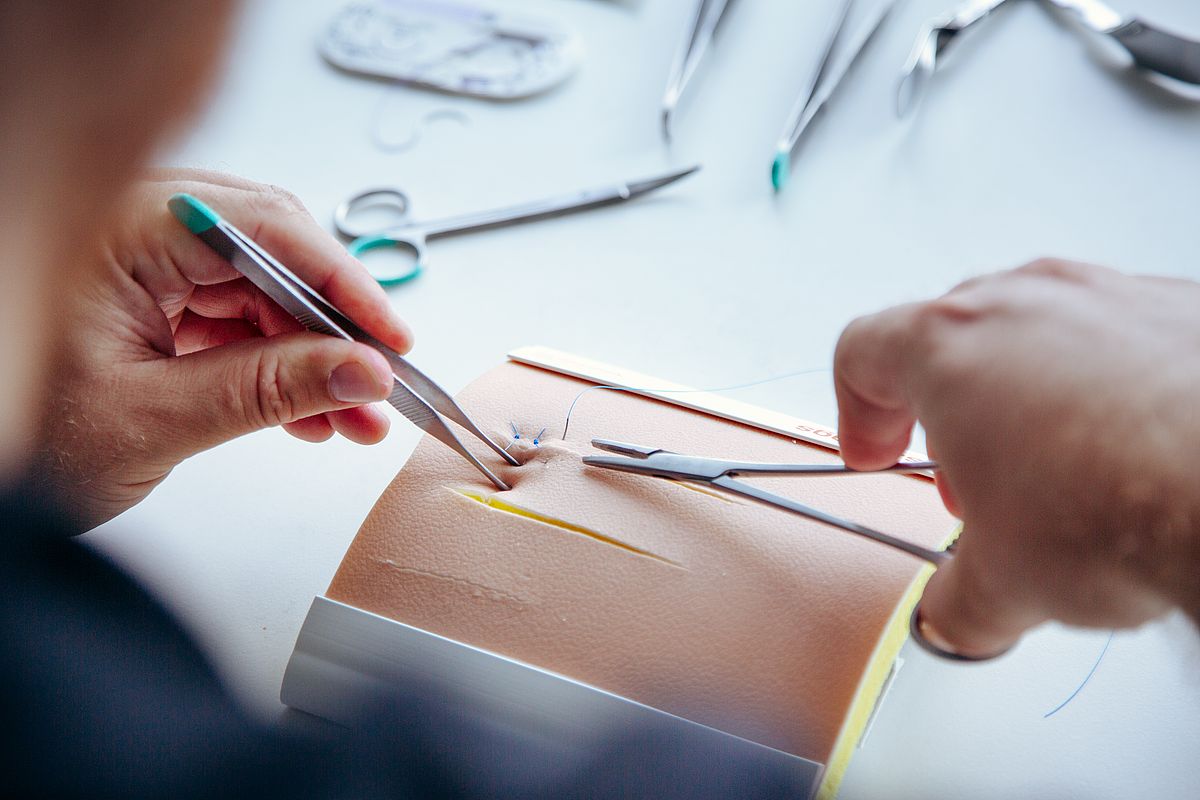
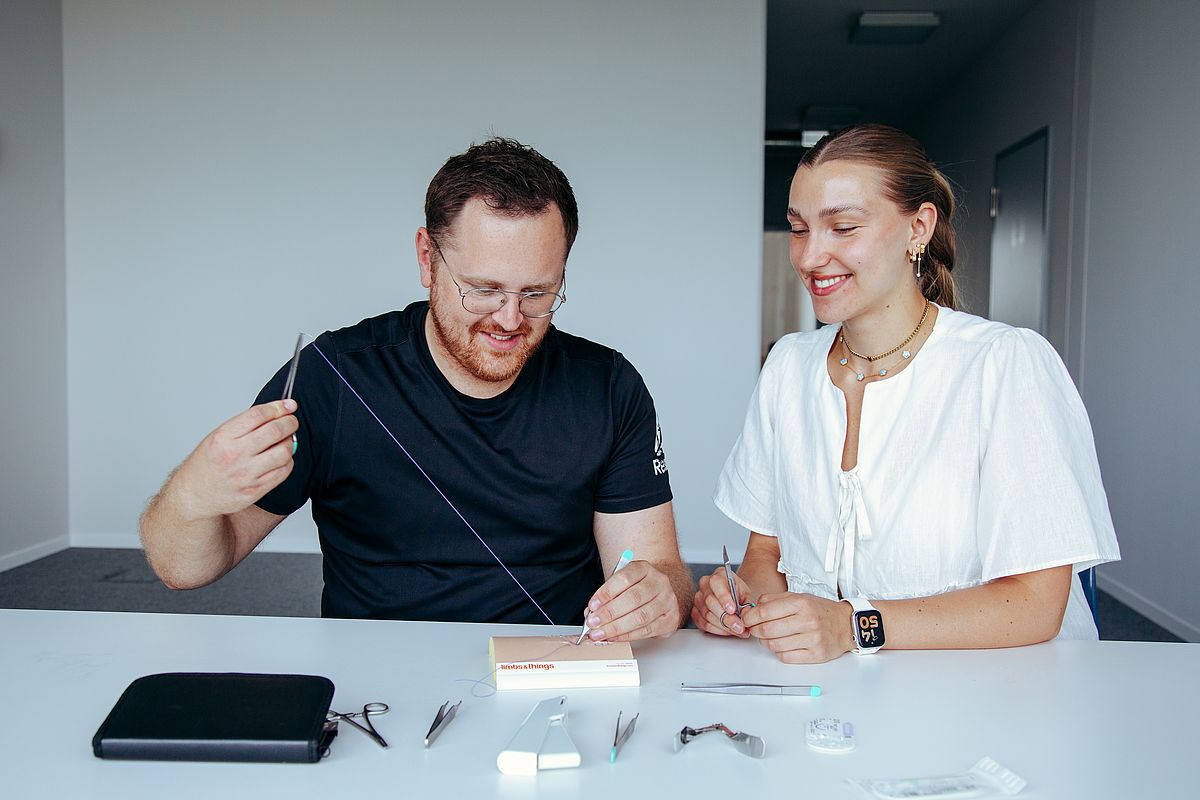
In addition to theoretical expertise in surgical treatment plans, wound management, and the most important surgical conditions, students also learn specialized suturing techniques for precise wound closure, such as by practicing the Donati suture.


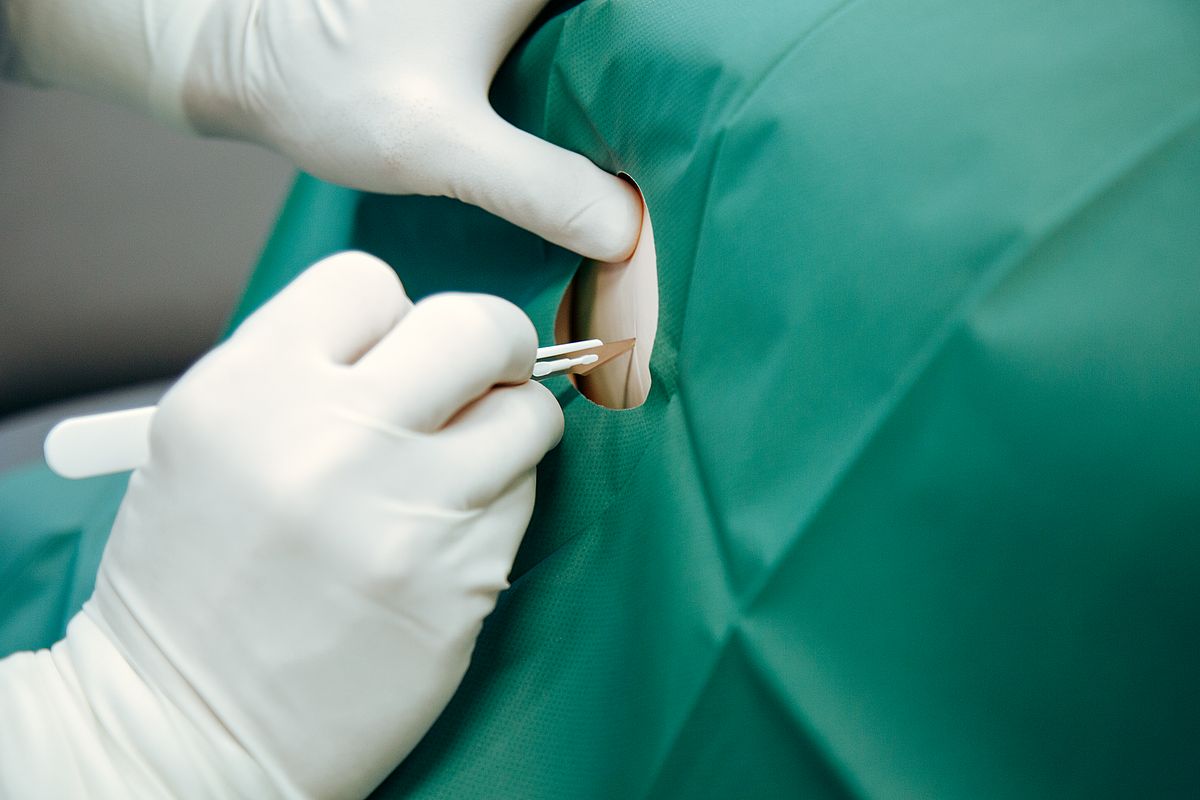
Furthermore, students have the opportunity to practice managing acute, life-threatening emergencies, such as a tension pneumothorax or a pleural effusion. To simulate emergency treatment, students can use a skills trainer to practice, among other things, placing a chest tube while applying the Monaldi and Bülau techniques.
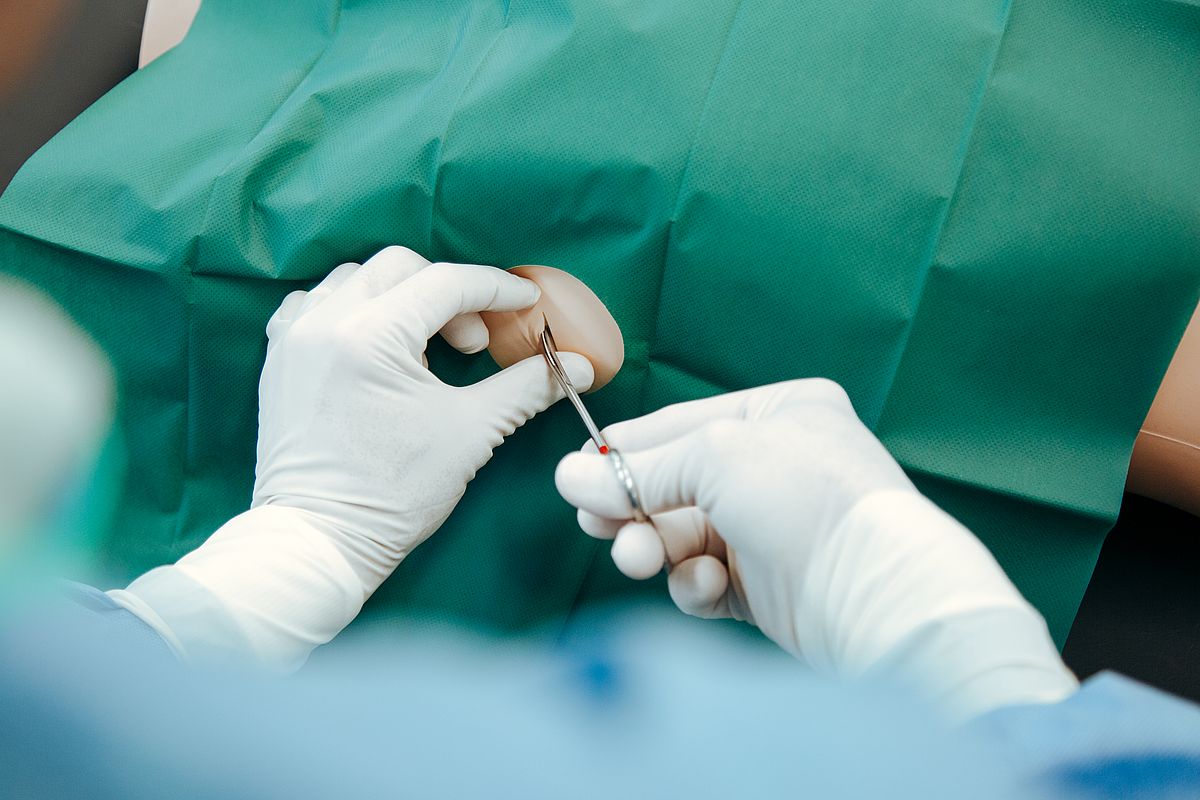
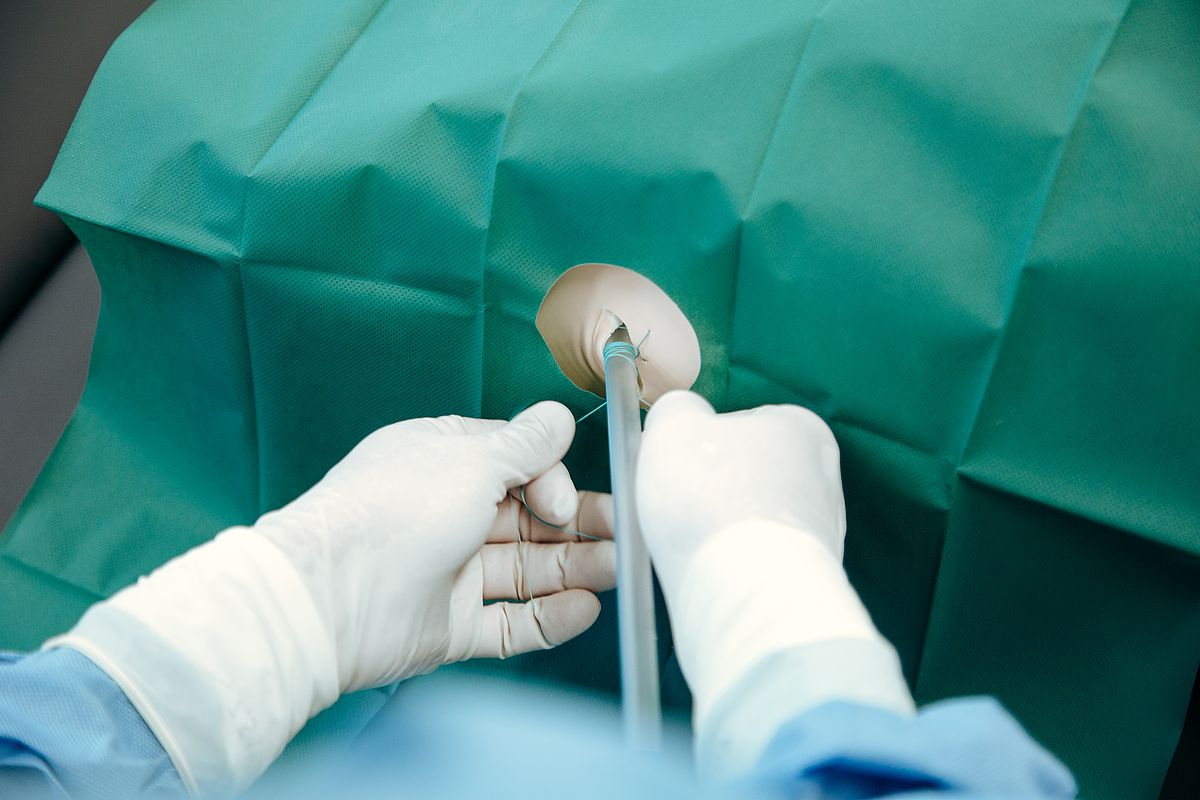
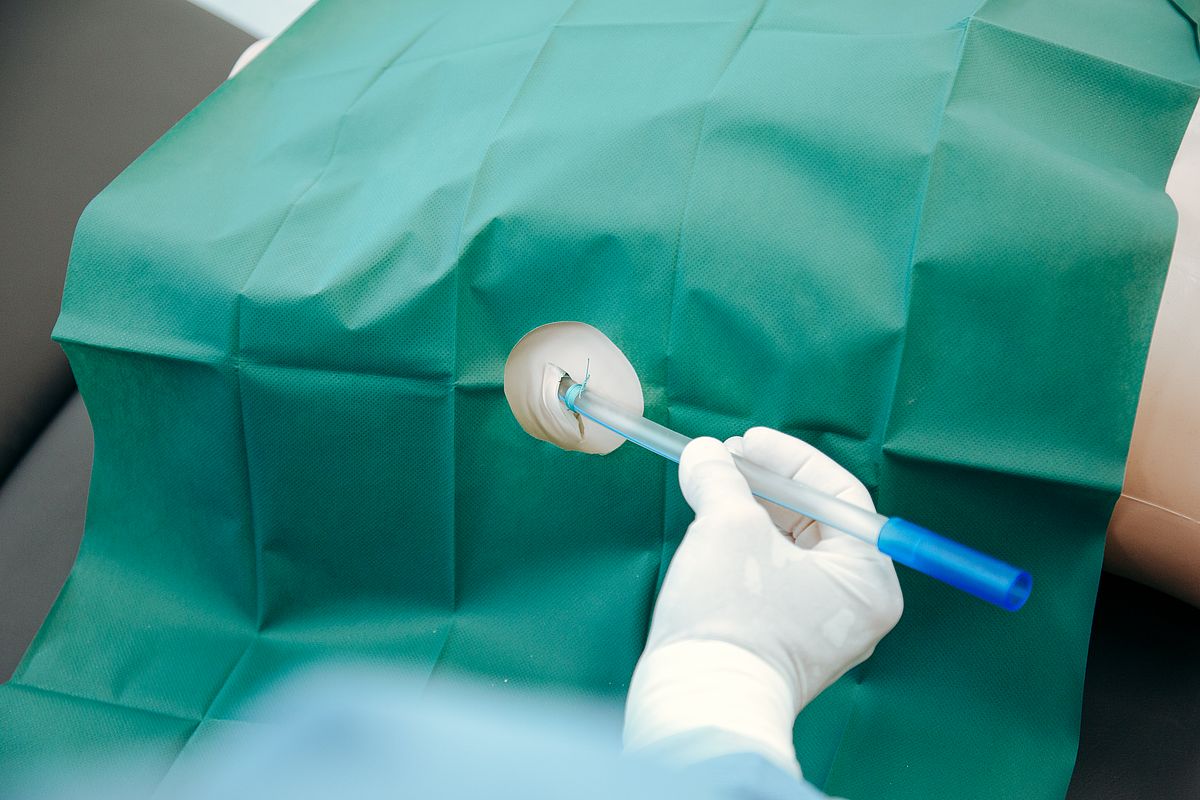
Students deepen and expand their knowledge of anatomy and (patho)physiology through practical anatomy and clinical imaging. They integrate medical and technical knowledge during ultrasound examinations. The goal is to identify and understand anatomical structures and, furthermore, to practice the descriptive assessment of organs.
In functional diagnostics, students gain practical insights into various diagnostic procedures, using pulmonology as an example through bronchoscopy and spirometry: Students learn how to use the flexible video bronchoscope and practice bronchoscopic techniques on a respiratory trainer. Using spirometry, they measure lung volumes and peak expiratory flow rates and learn the criteria for reproducible measurement results.
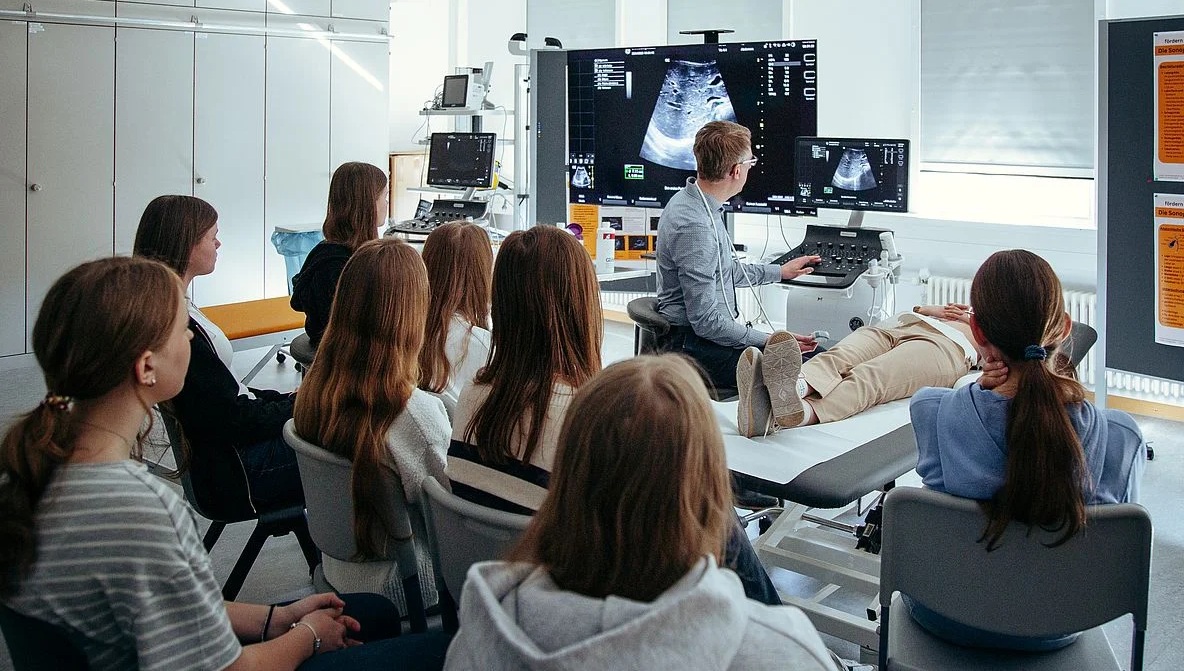
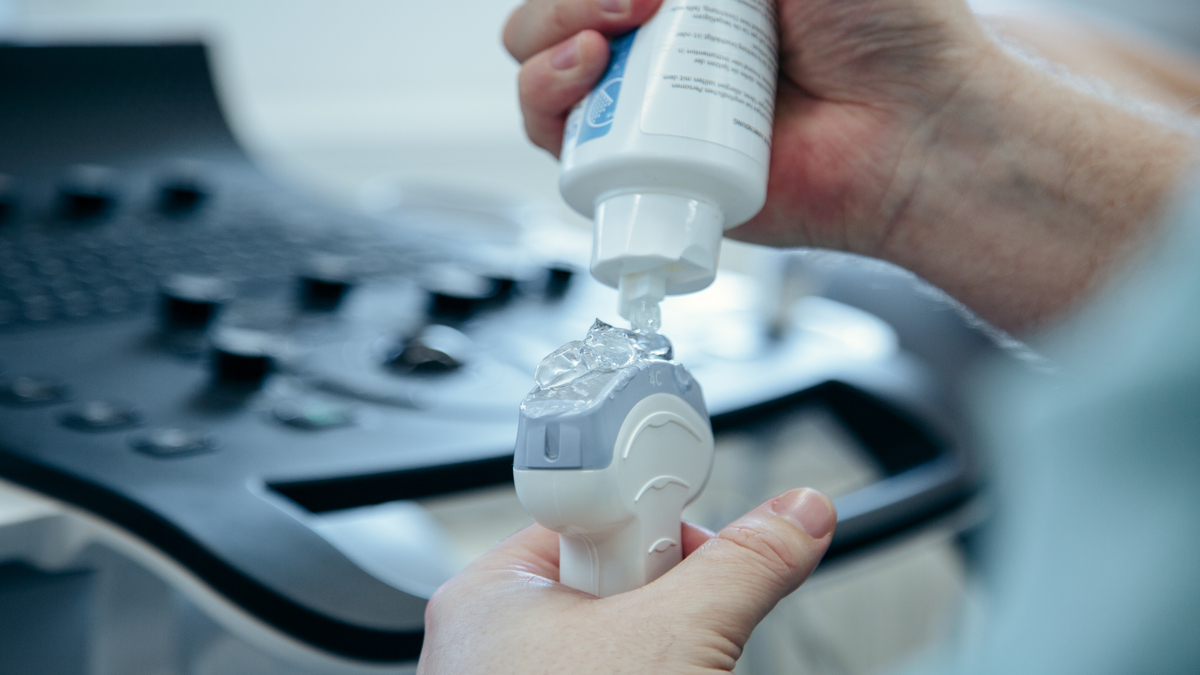
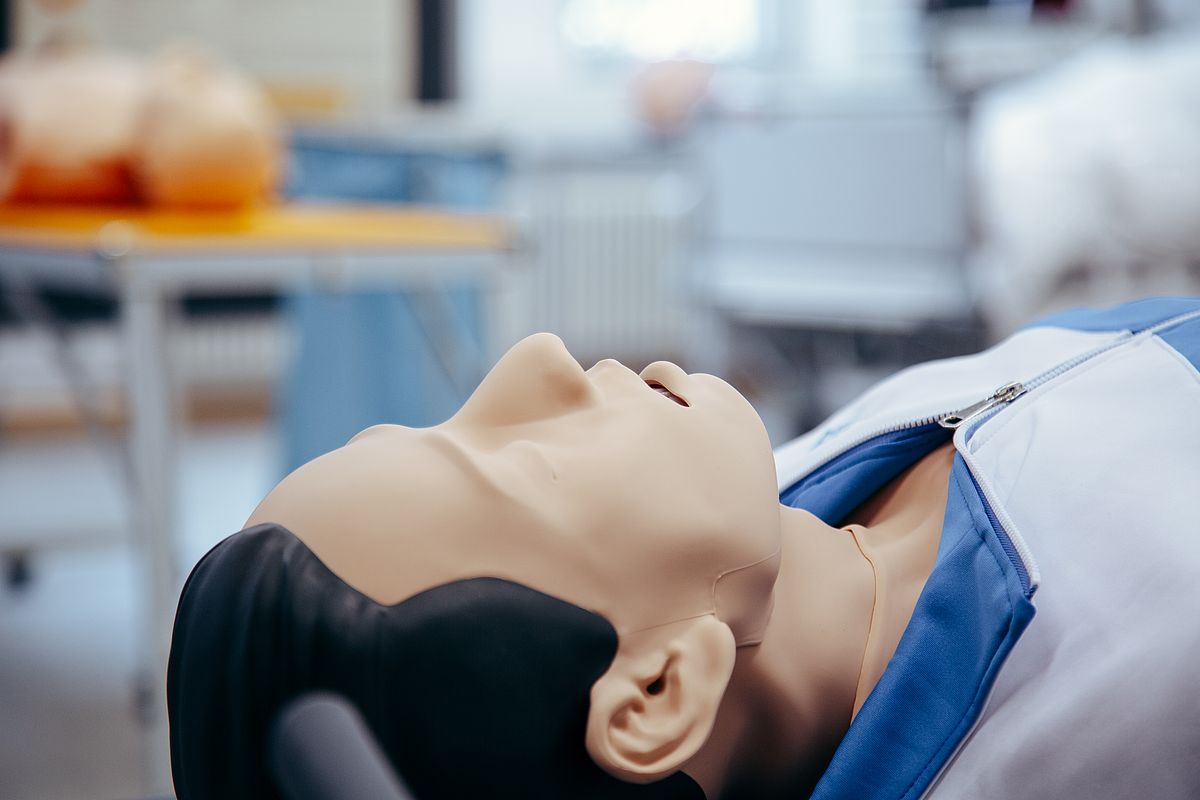
In the field of emergency medicine, theoretical principles are combined with practical skills to practice realistic and complex simulation scenarios. Students learn to recognize, assess, and initiate appropriate measures in emergency situations and life-threatening conditions. This includes performing cardiopulmonary resuscitation (CPR), assisting with advanced resuscitation procedures, and safely performing intubations and administering medications.
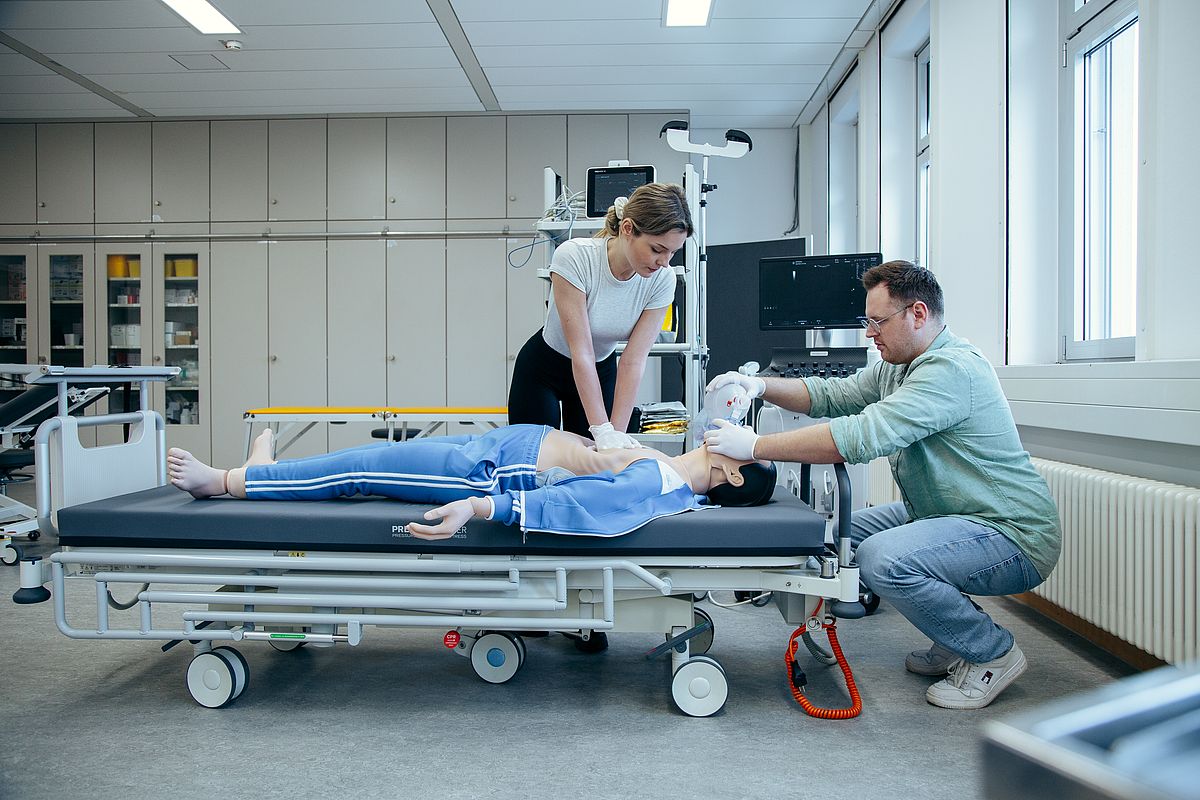
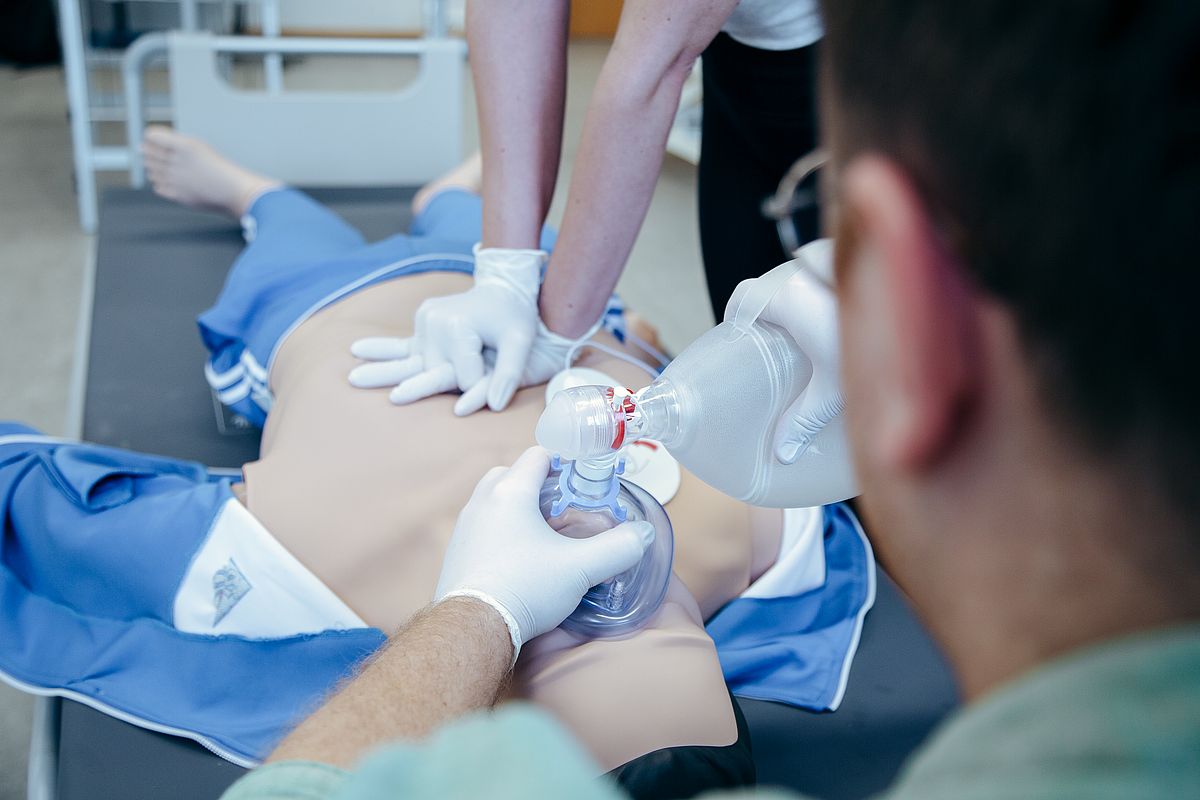
In addition to the practical exercises included in the course modules, optional supplementary exercises are offered. Students use these to improve and deepen their knowledge and skills.
Impressions
Staff
Lab Director
Prof. Dr. med. habil. Andreas Kühnl
 @
@Lab Coordinator
Irina Leher
How to find us
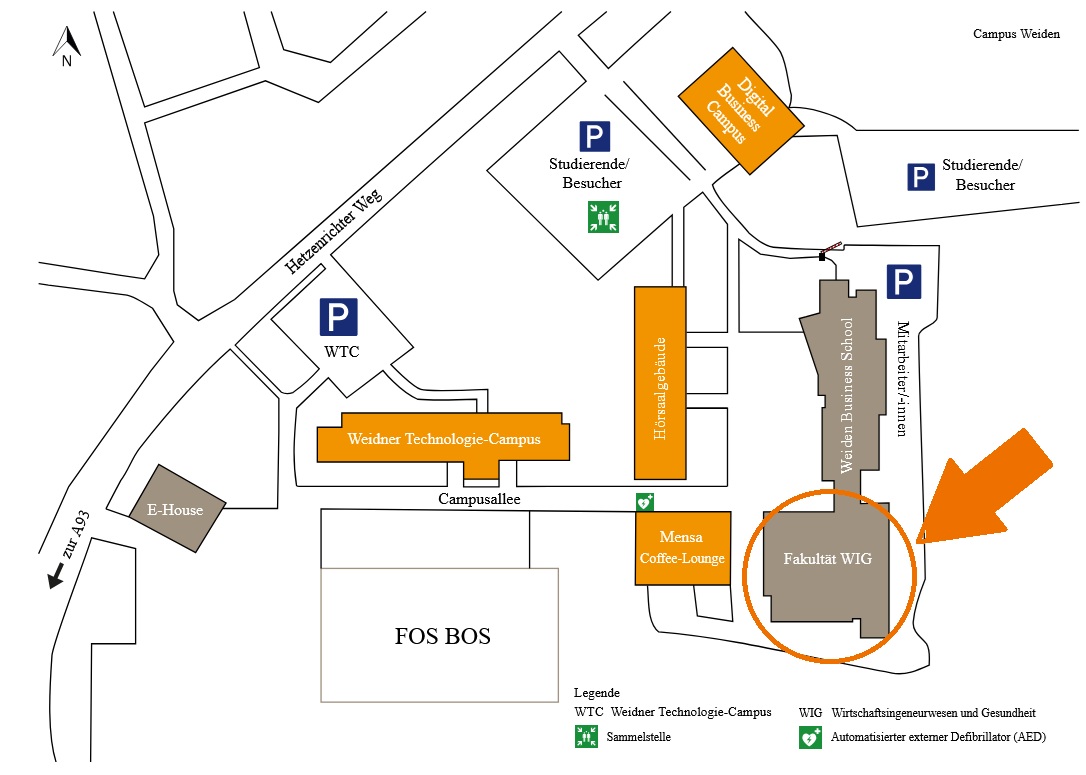
Ostbayerische Technische Hochschule (OTH) Amberg-Weiden
Department of Industrial Engineering and Health
Main Building, 1st Floor (Room 135)
Campusallee 1
92637 Weiden in der Oberpfalz