Beiträge unserer „Zugvögel“
With ERASMUS as an intern to Iceland
It was the end of July when I started my journey to Iceland towards the Arctic Circle. After I boarded the plane at sunset, we flew over the clouds as it got dark. Everyone fell silent, took a nap or read a book. But then, as we were getting closer to Iceland, the sunlight came back. Everyone looked out of the window and suddenly there was a lot of movement in the plane again. And I sensed the adventure that lay ahead of me.
Iceland - through breathtaking views, glaciers and volcanic eruptions
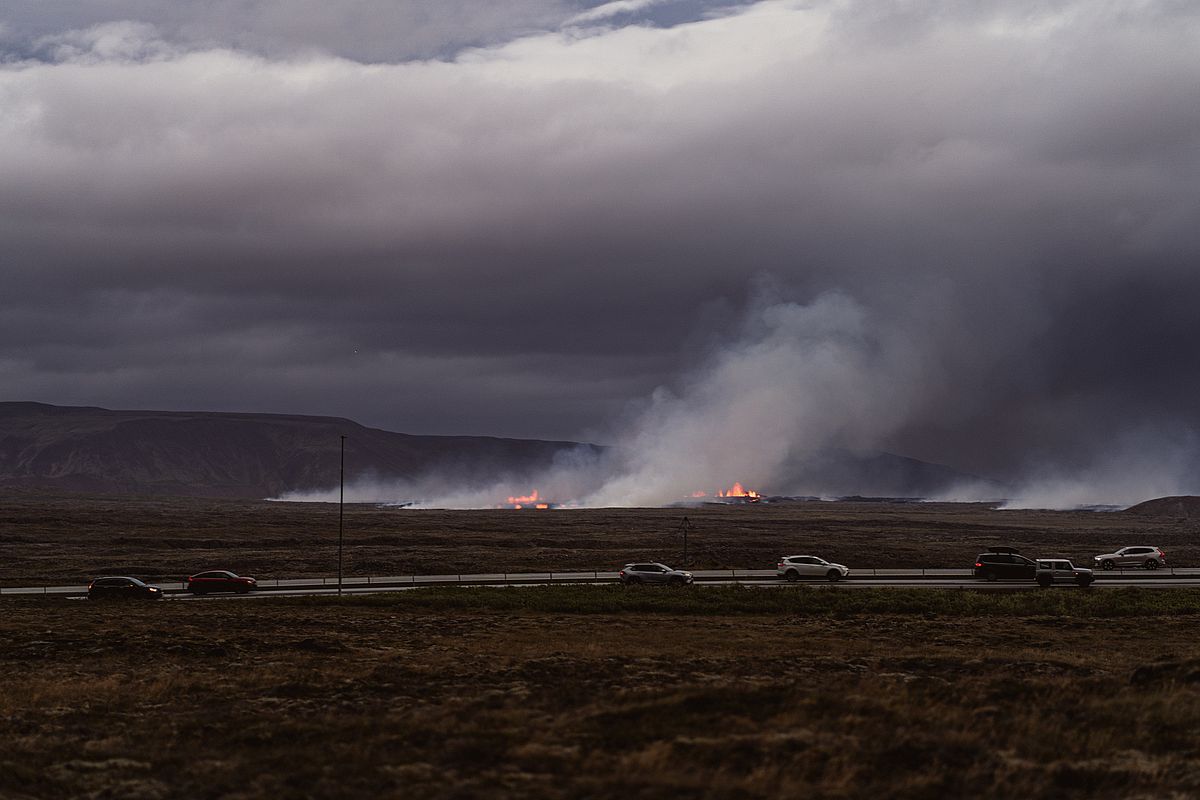
It was August 22nd when Sundhnúkur erupted once again. For me, who of course wasn't used to something like this, it was super exciting.Together with a number of other Erasmus students, we set off the next day in the evening straight after work on the public bus. When we got off at the bus stop, the wind was whistling across the peninsula. A few meters up the hill, we finally had a view of the eruption, opposite the highway. We braced ourselves against the wind and somehow couldn't quite believe that we were actually looking at a volcanic eruption. I can't remember how long we stood there, it was somehow just too surreal to take our eyes off it.
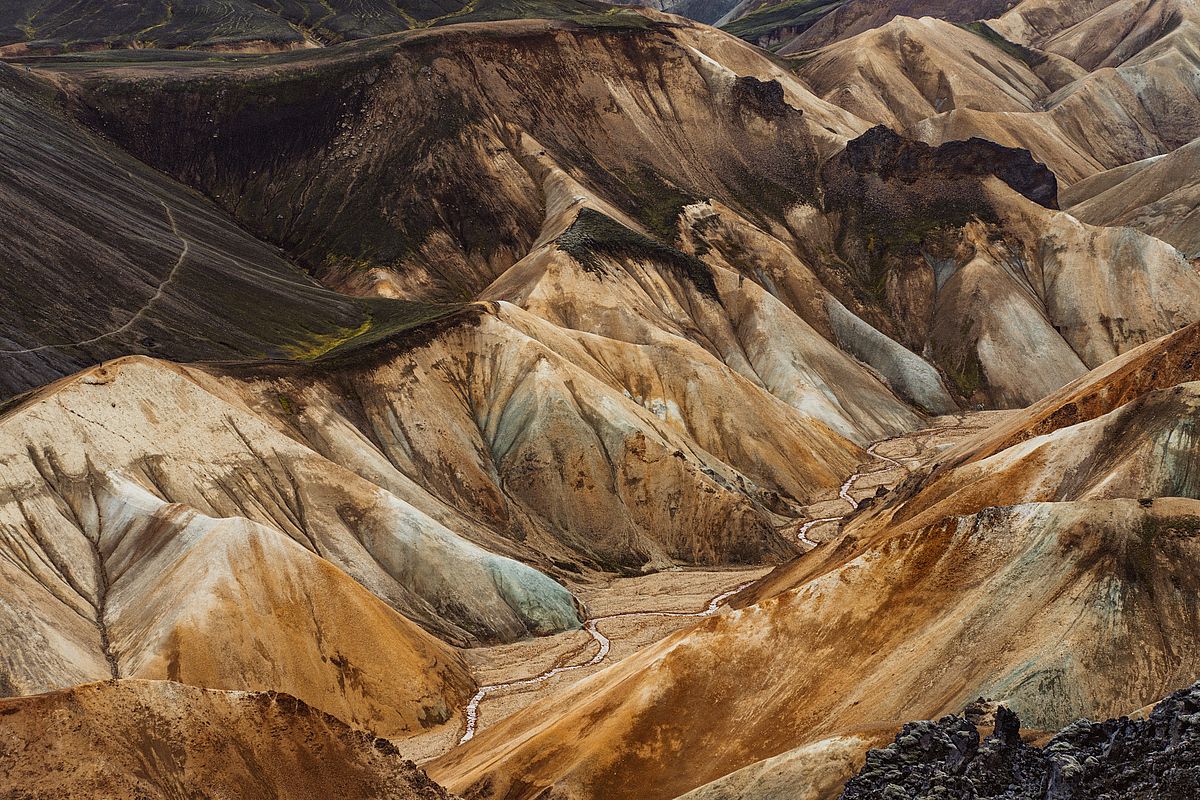
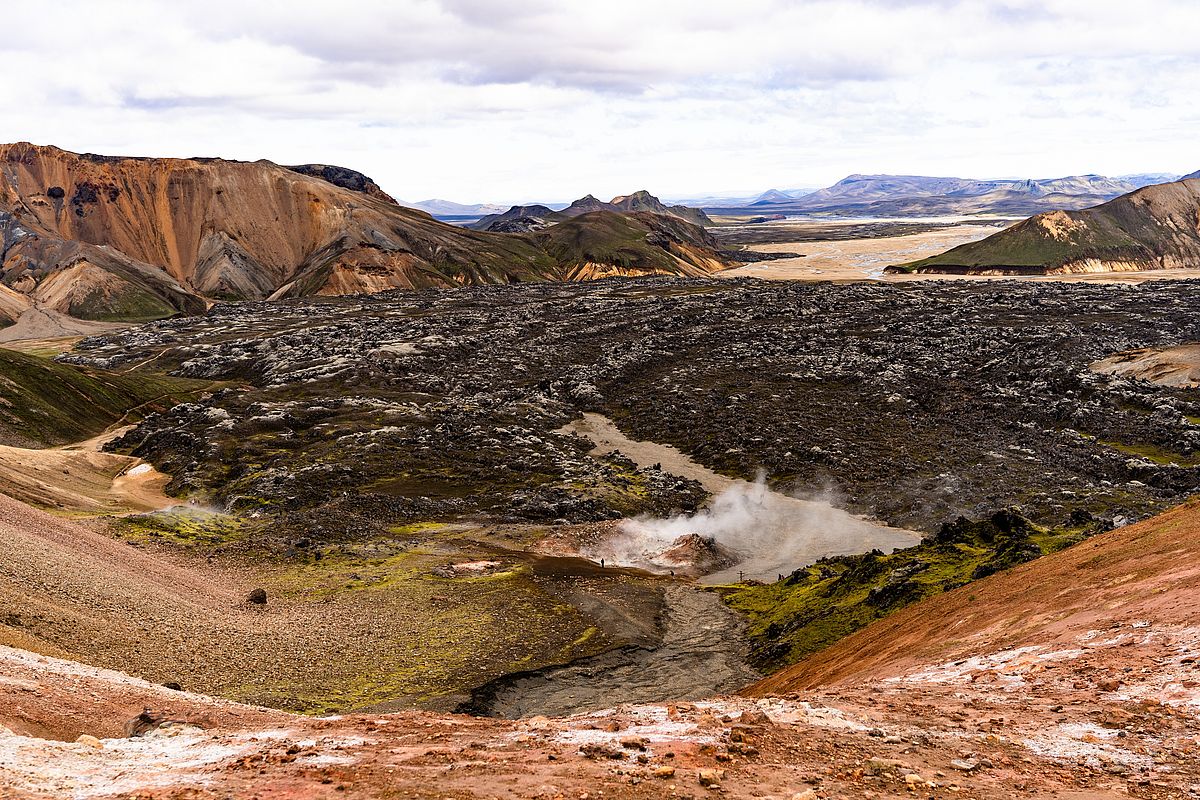
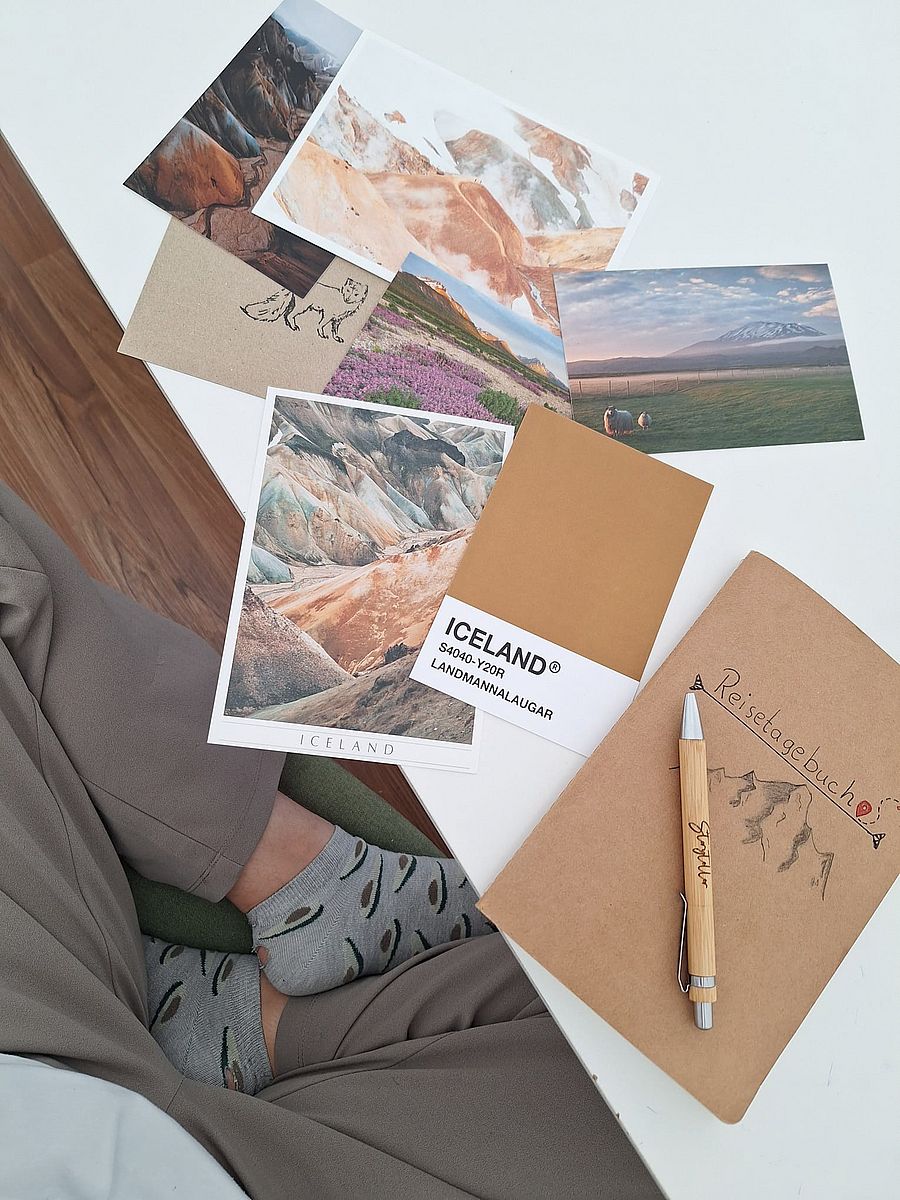
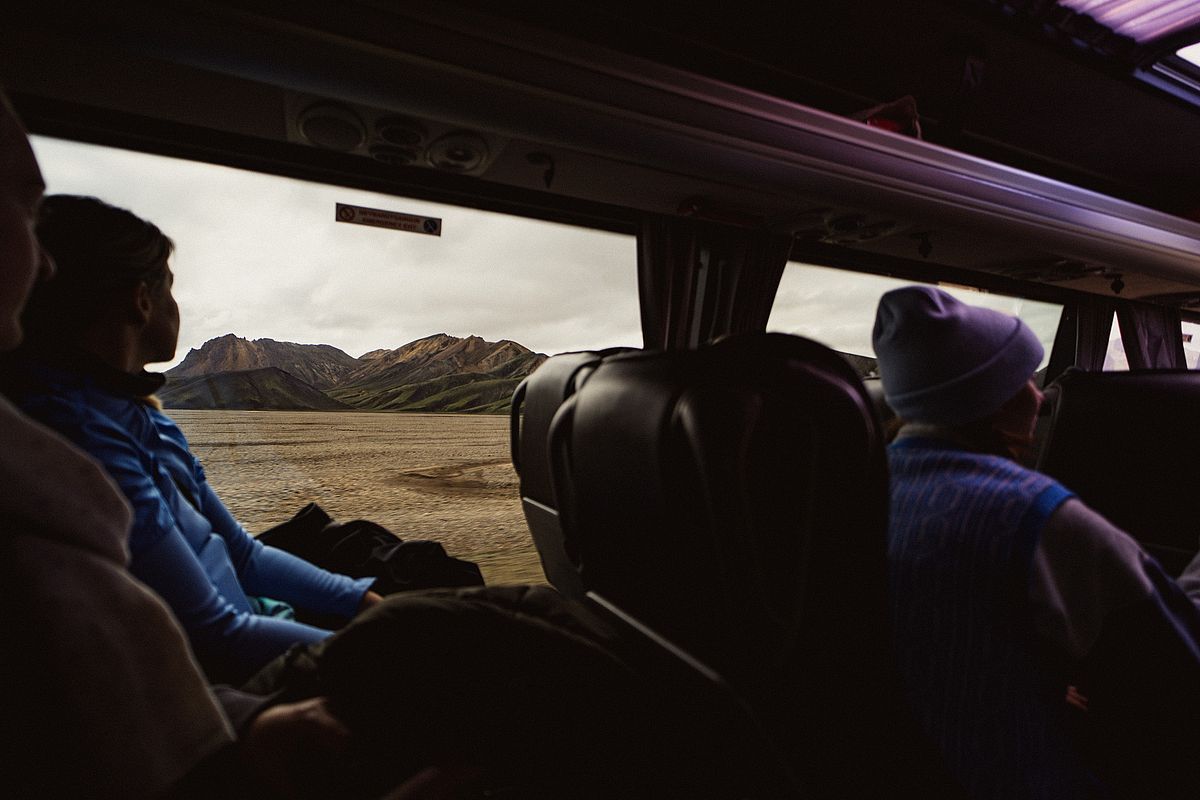
Trip to Landmannalaugar.
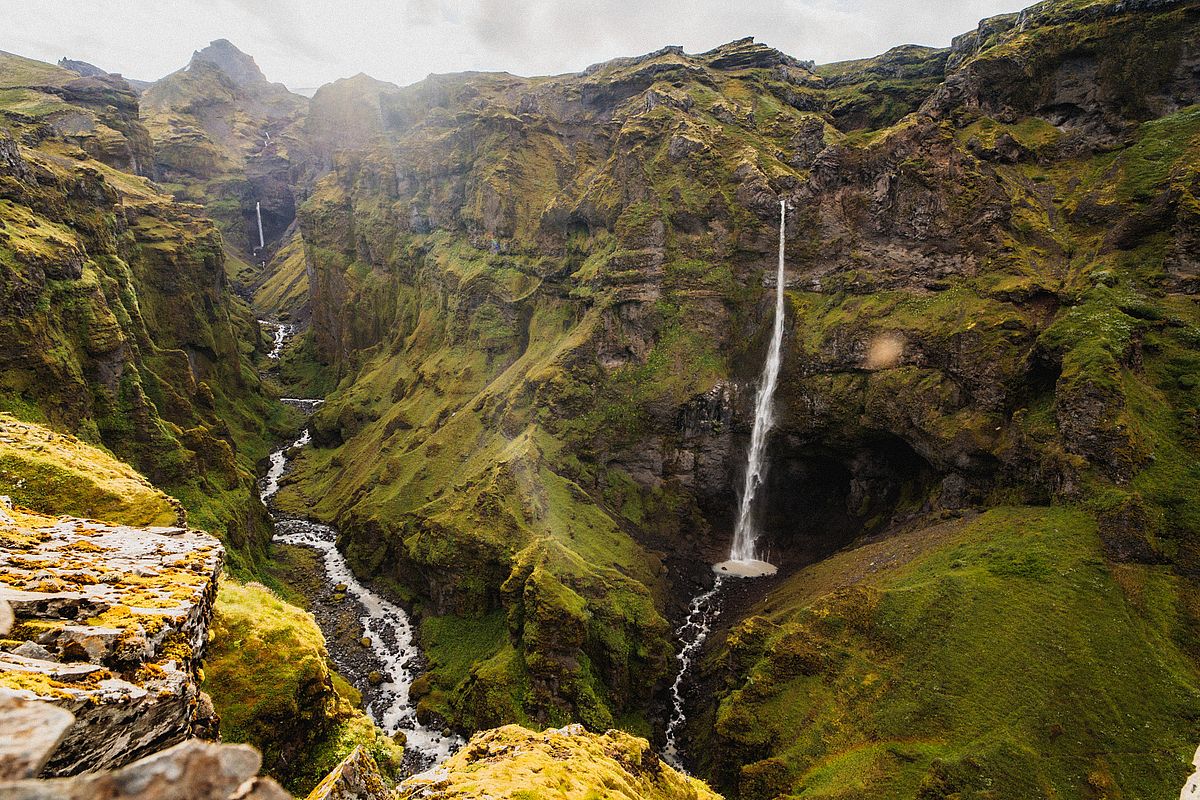
Iceland’s Highland are of the largest uninhabited areas in Europe. It’s an area full of sandy deserts, volcanoes and their lava fields, glaciers, glacial rivers and waterfalls.
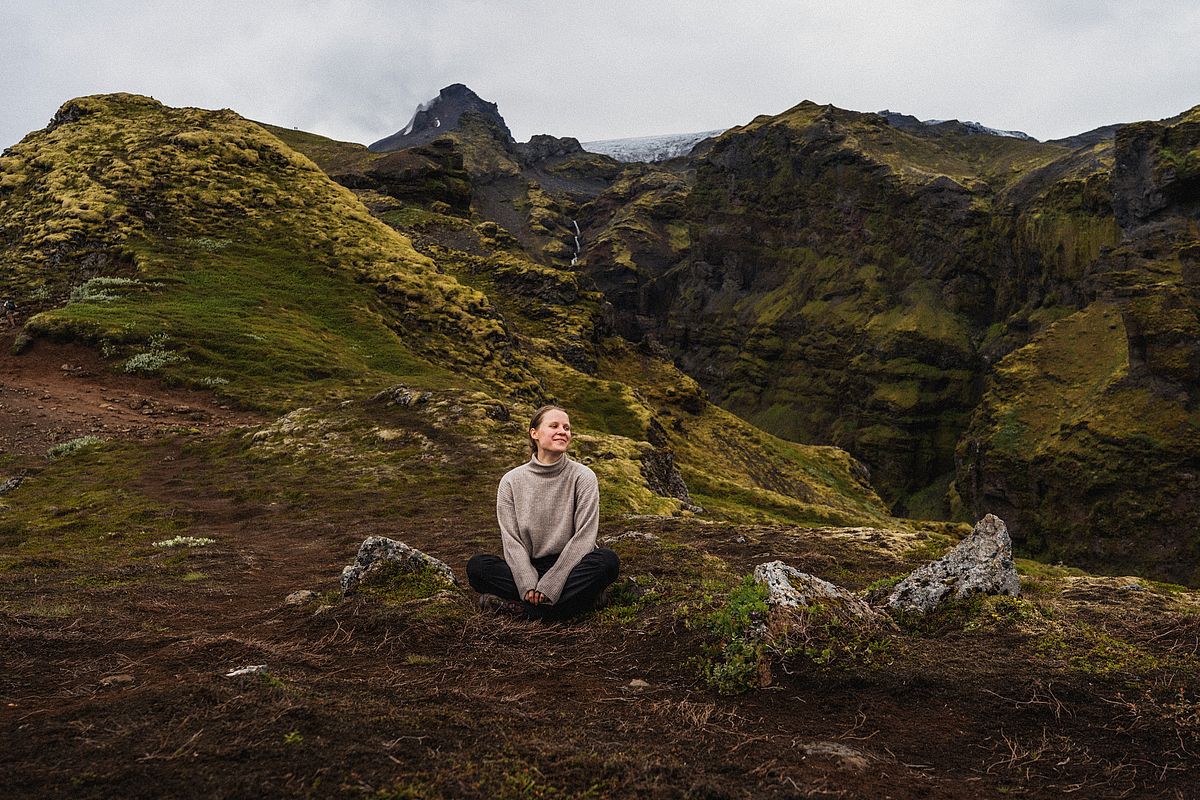
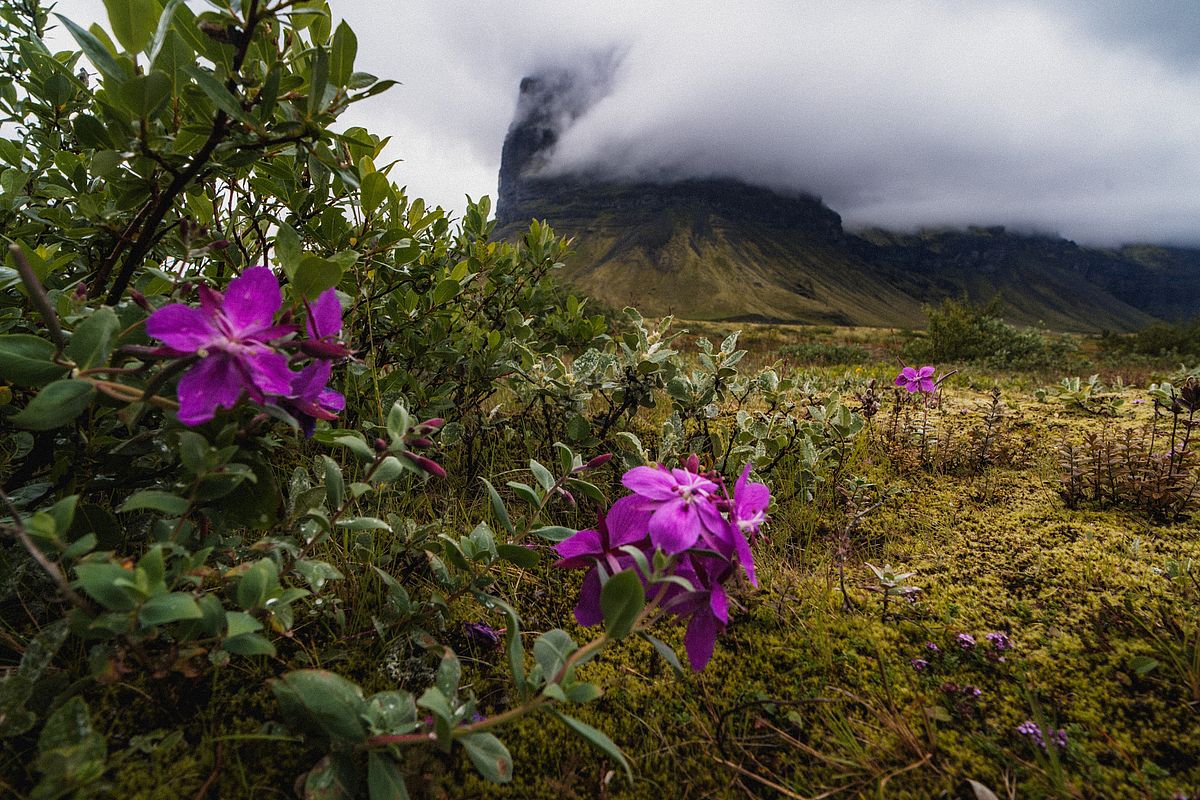
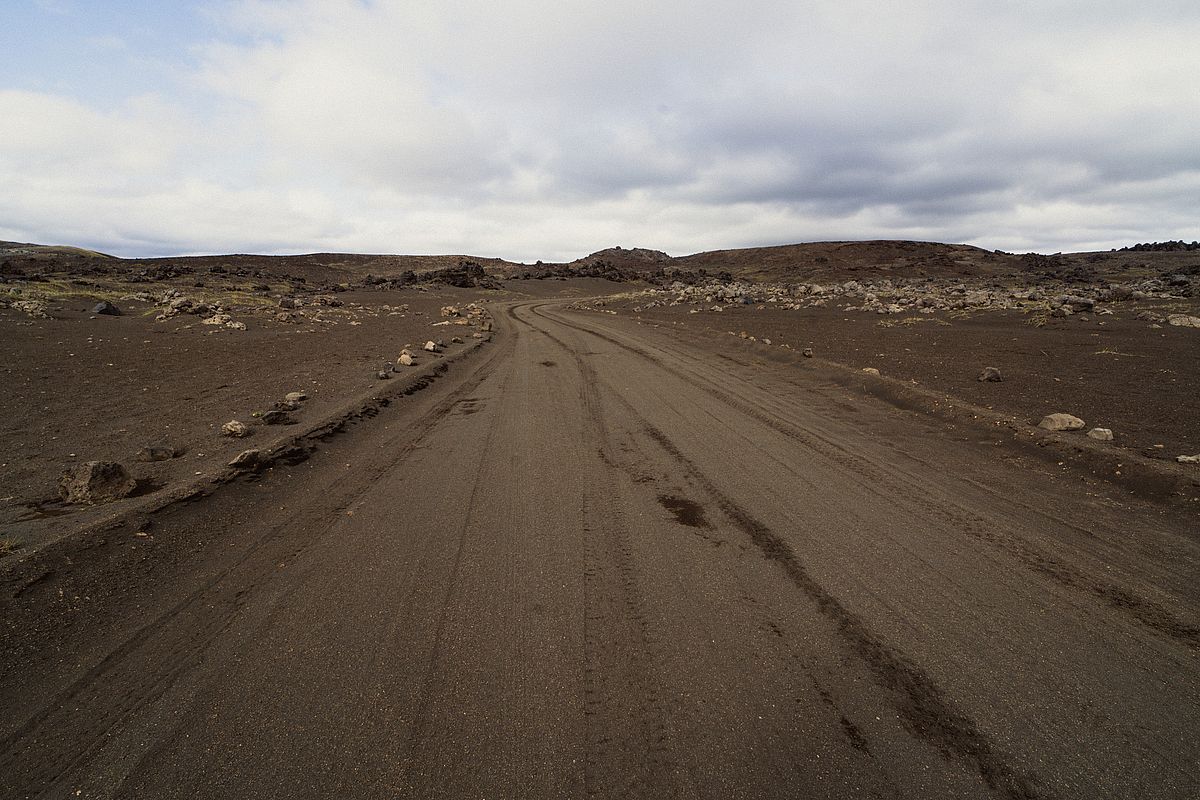
One thing that particularly surprised me was the sheep. When we finally left the ring road - or Route 1 - and turned left into the Highland, we drove past several herds of horses and sheep. Hay bales adorned the summer landscape of green fields and meadows. In the background, white glaciers stood out in colour against the otherwise blue mountains, and a few clouds adorned the landscape. At one point, the tour guide pointed out that we were now passing Hekla, one of the most famous and active volcanoes in Iceland. It is also one of the least predictable volcanoes in Iceland and often erupts without much warning. Then the landscape began to change and we were looking at a black desert as we turned onto an unpaved gravel road. But even here we kept coming across a few sheep out to graze in summer, where no human soul lived for miles around. In the course of September, they will be chased down to the valley and their farms at the so- called Rettír for the duration of winter. It was an unreal landscape, almost like being on another planet, and only the sporadic traffic on the road showed that humans were even exploring this corner of the world.
Between cultural events
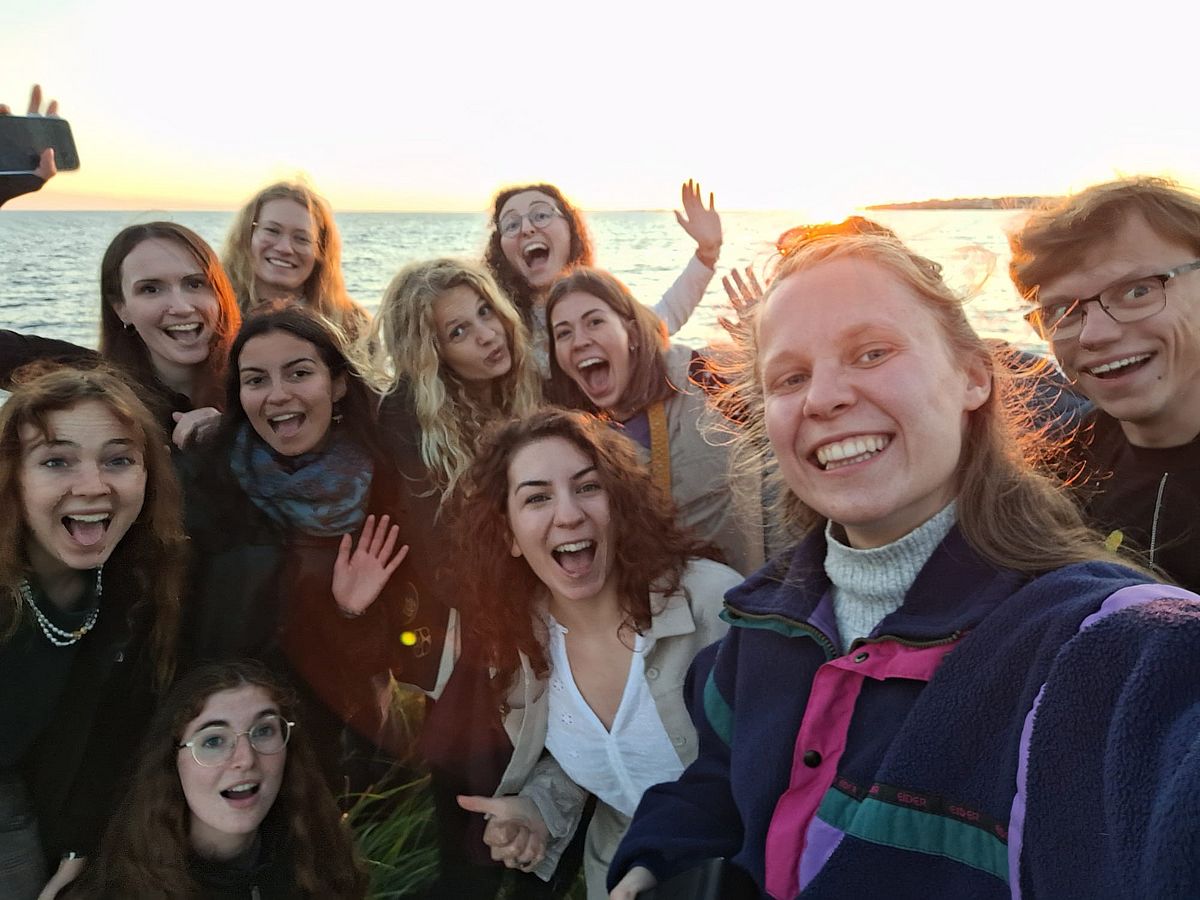
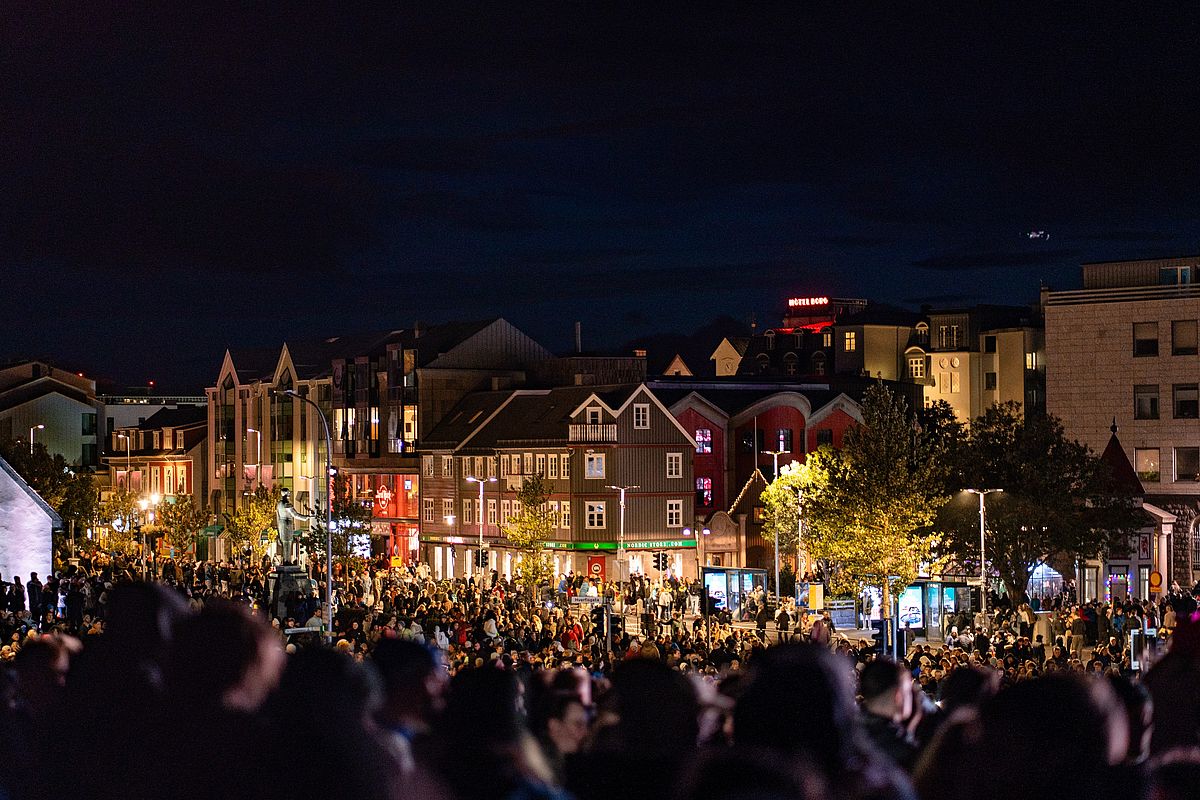
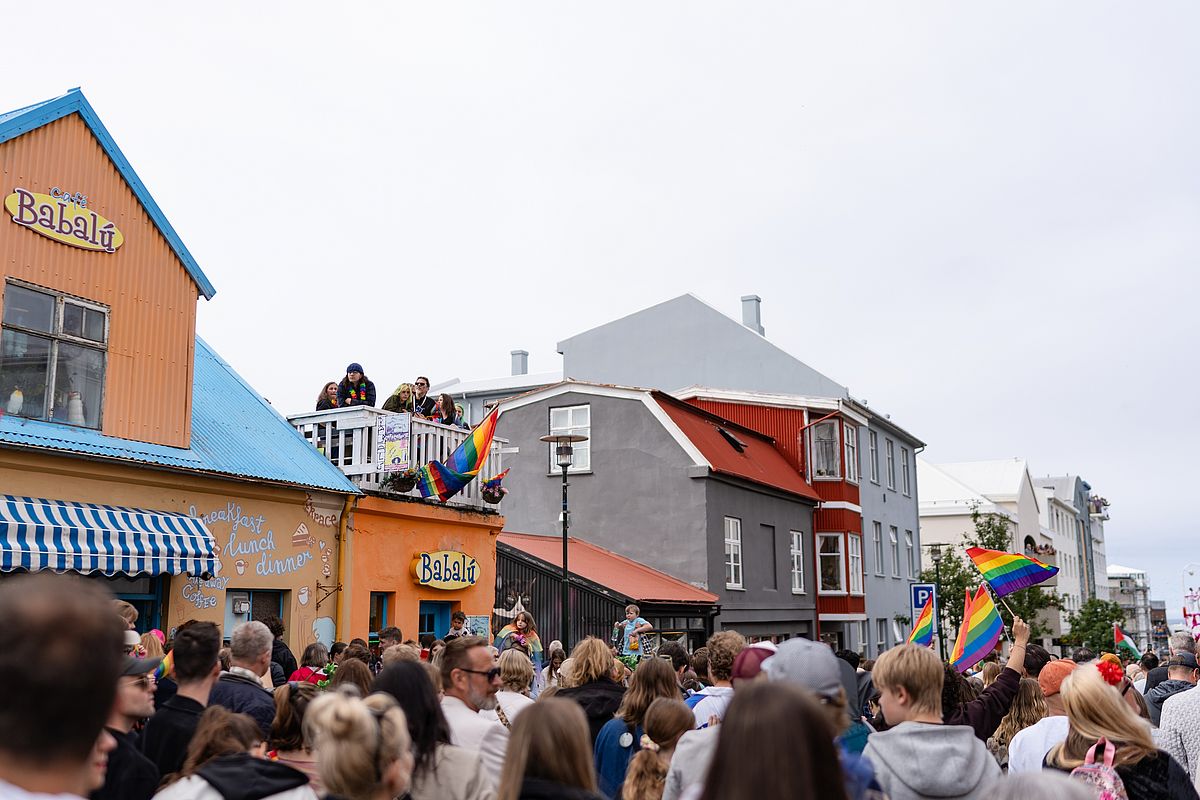
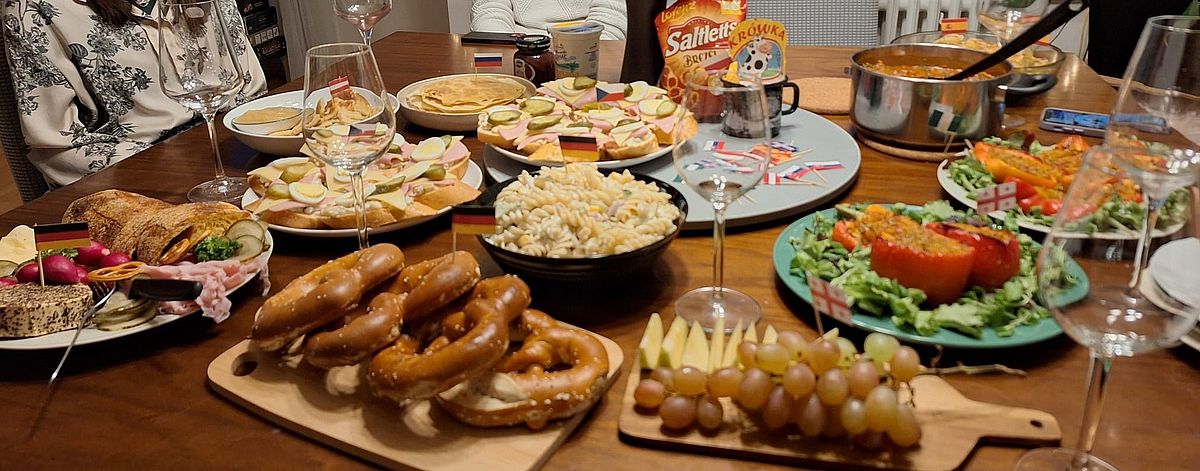
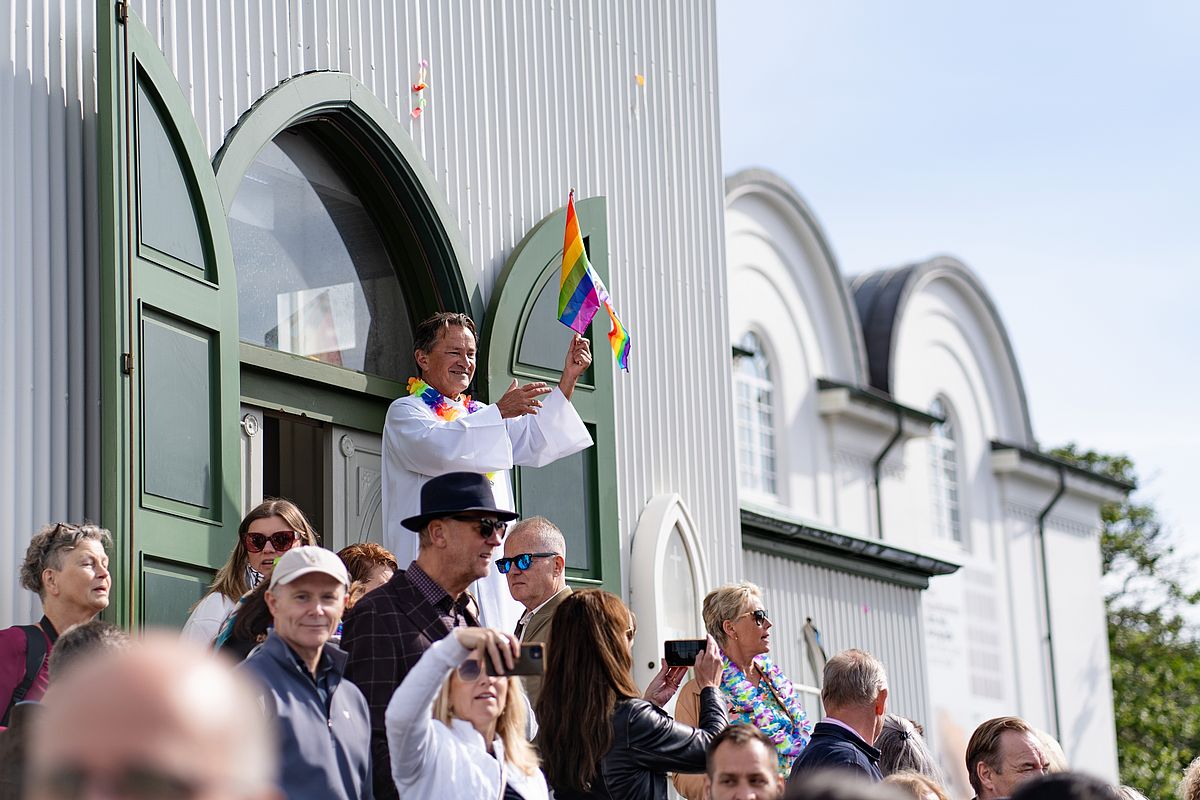
Réykjavik city is full of life. During my stay, I was able to experience some festival, get to know the unique music scene, capture Réykjavik culture night, and the Pride Parade. I spent time with other Erasmus students, where we once organised an international dinner with dishes of our mother country.
And rural life.
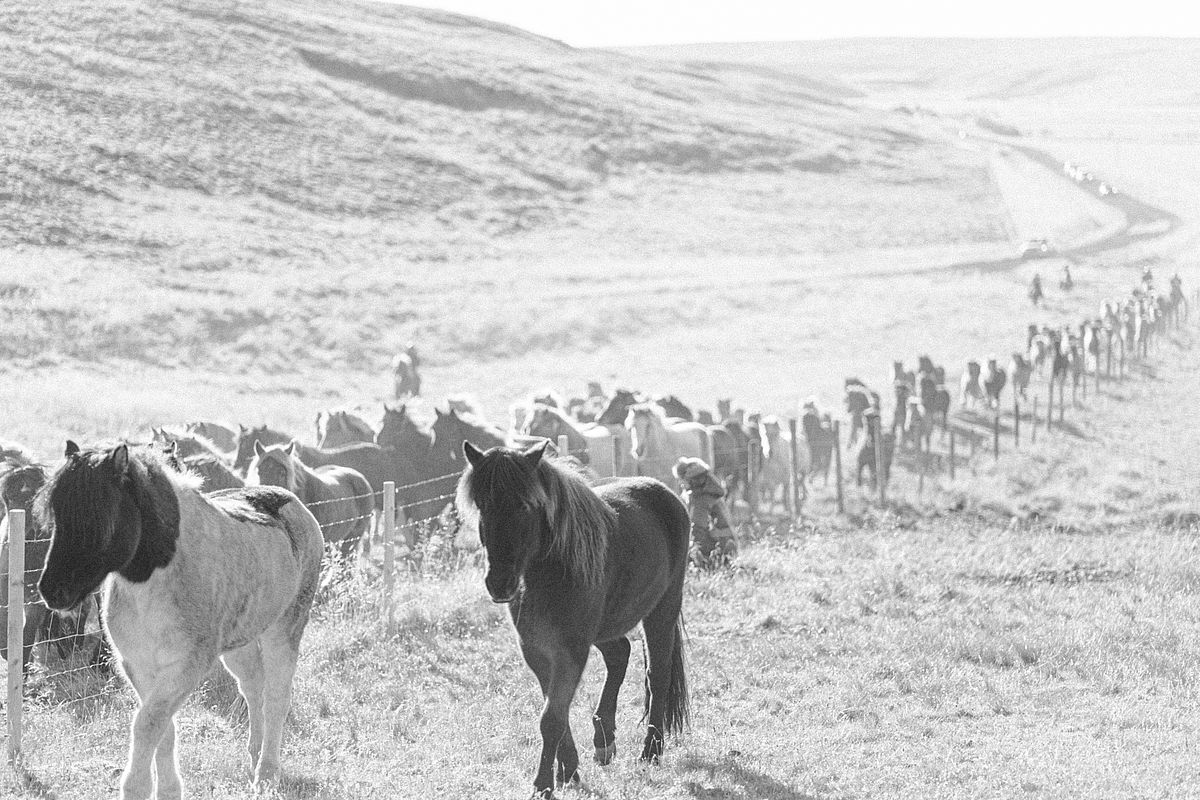
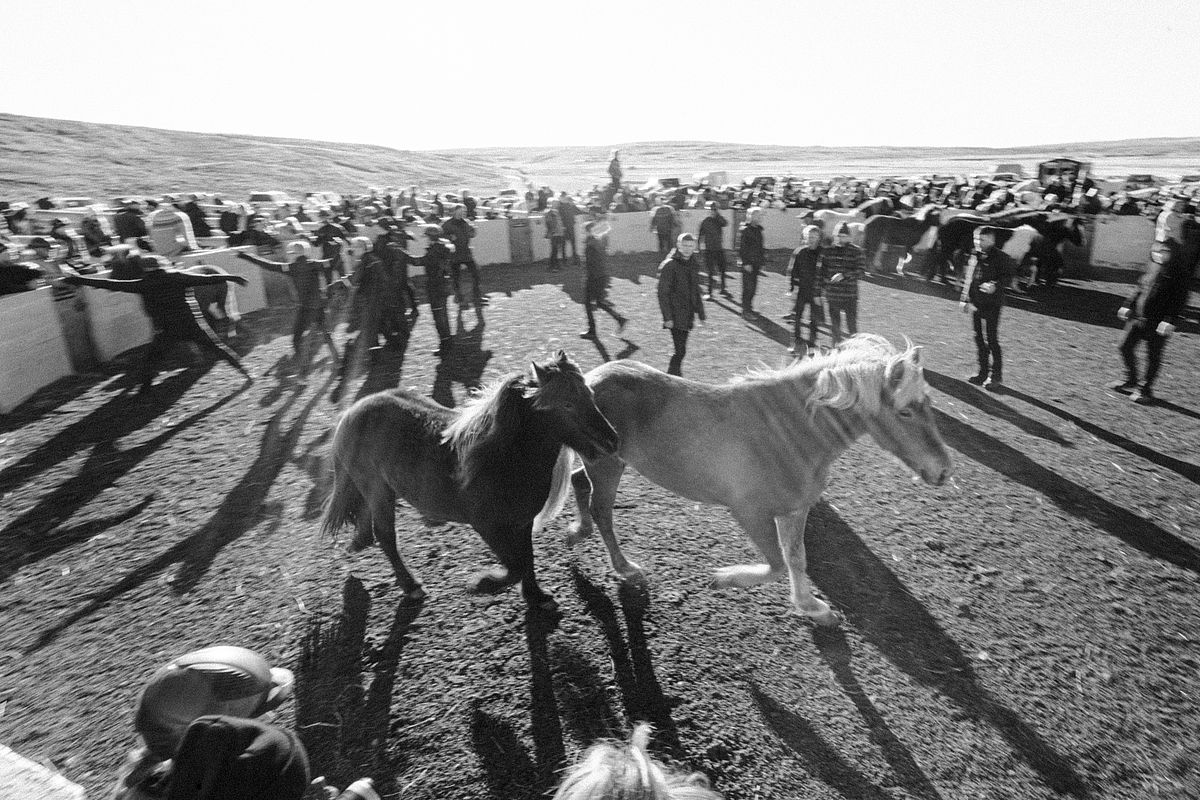
In contrast to city life in Réykjavik is life in rural Iceland. I was very lucky to be able to experience a traditional day there. At the end of September, sheep and horse roundups, called réttir, take place in Iceland. This is when the horses or sheep are driven back to their farms from the pastures and highlands where they are allowed to spend their lives in freedom during the summer. This is a very important day for the farmers and I am very grateful that I was able to catch a glimpse of this world.
Getting closer to winter
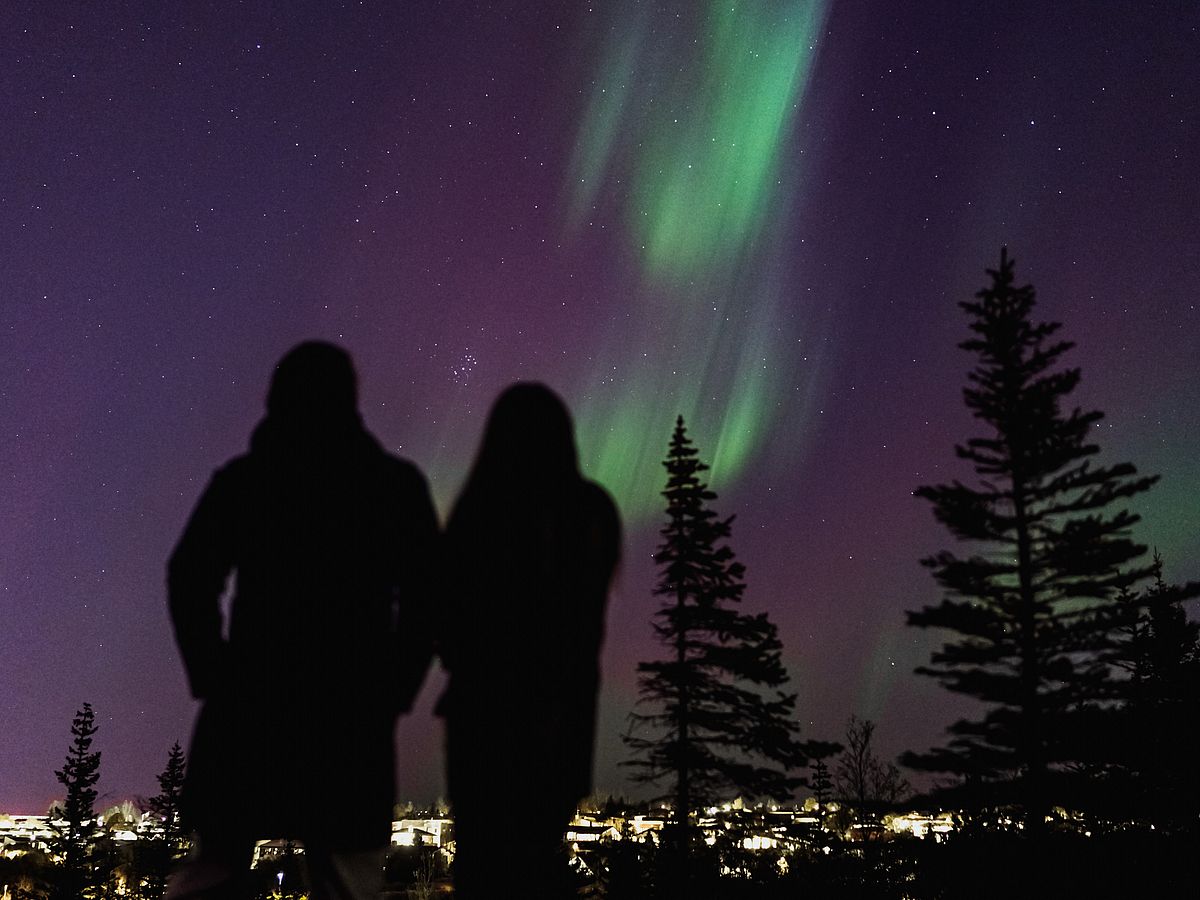
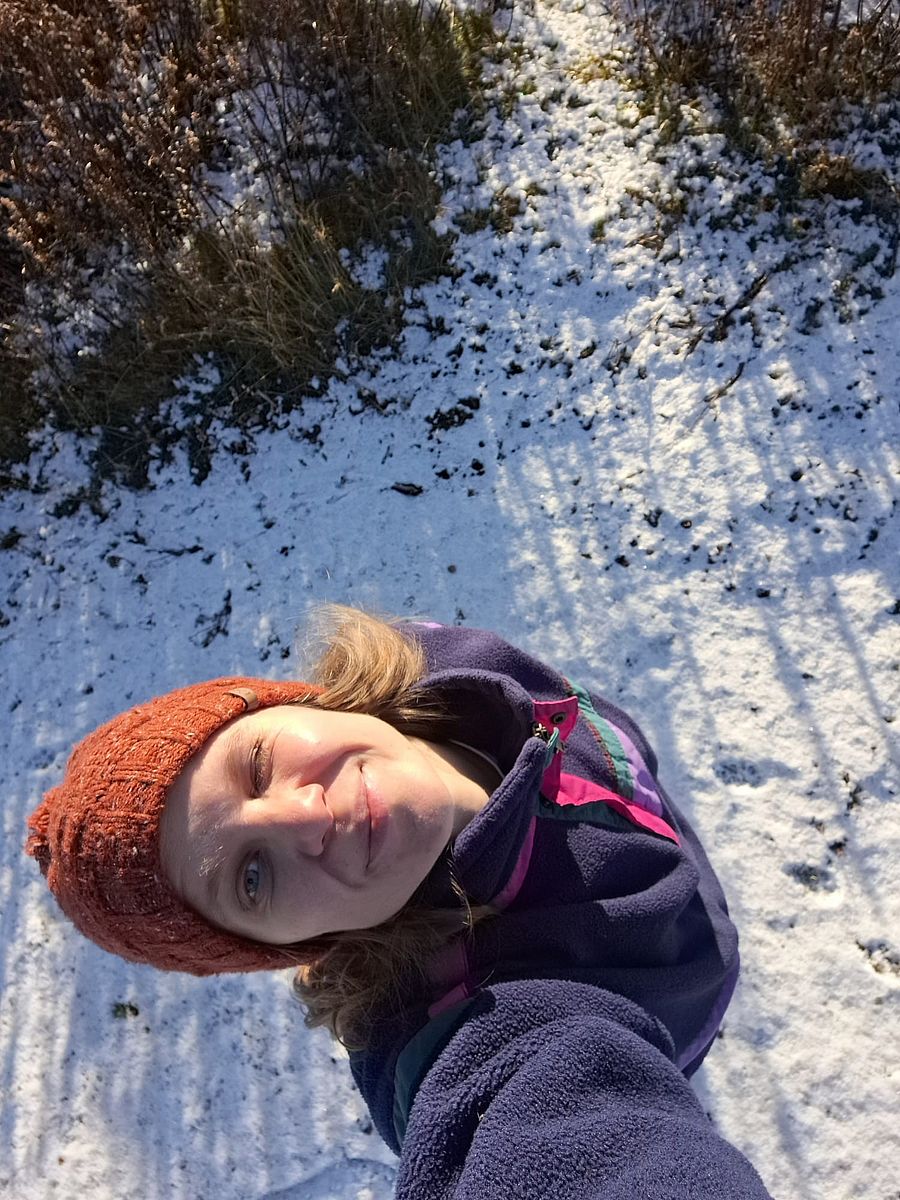
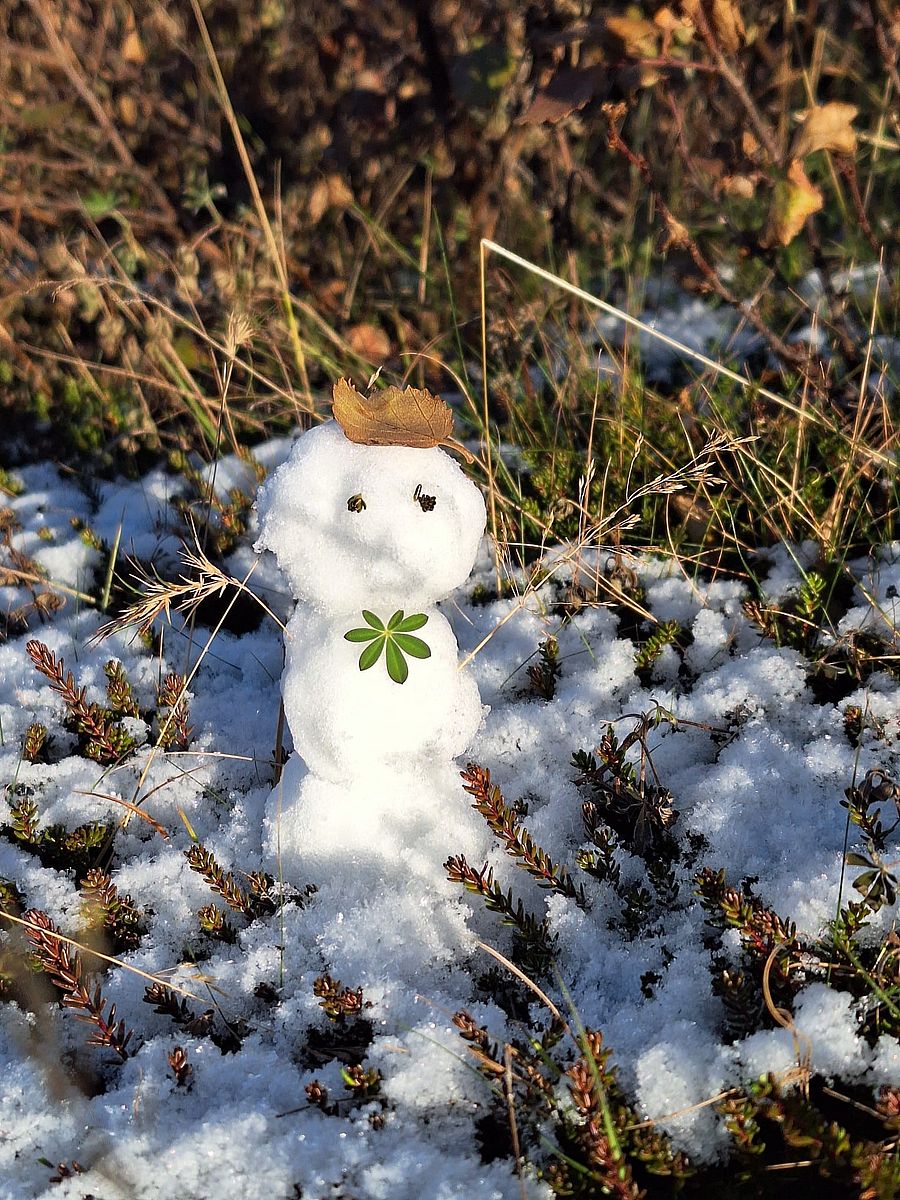
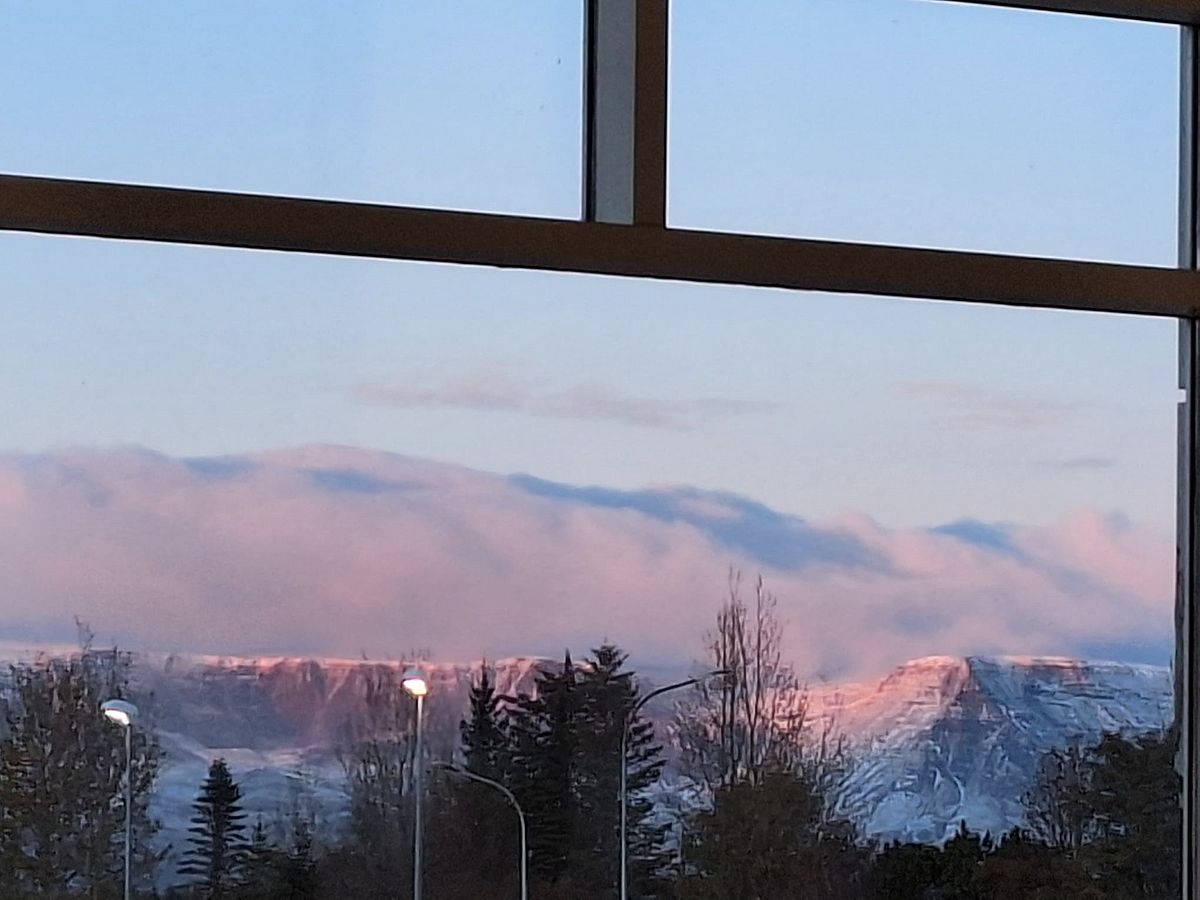
Living in Iceland is like living really close to nature. Every day I admired the view from the window of my apartment and the landscape I basically lived in. As winter come closer and days got shorter, the first snow arrived in Iceland whereas in Germany, it was still nice autumn weather. Before I flew back home, I admired one last northern light show with my roomates, standing just outside our apartment.


Kommentare zu diesem Artikel (0)
Noch keine Kommentare vorhanden? Schreib’ doch den ersten Kommentar zum Beitrag!